


5 Effective Creams to Fix Sun Damage on Hands and Feet Fast
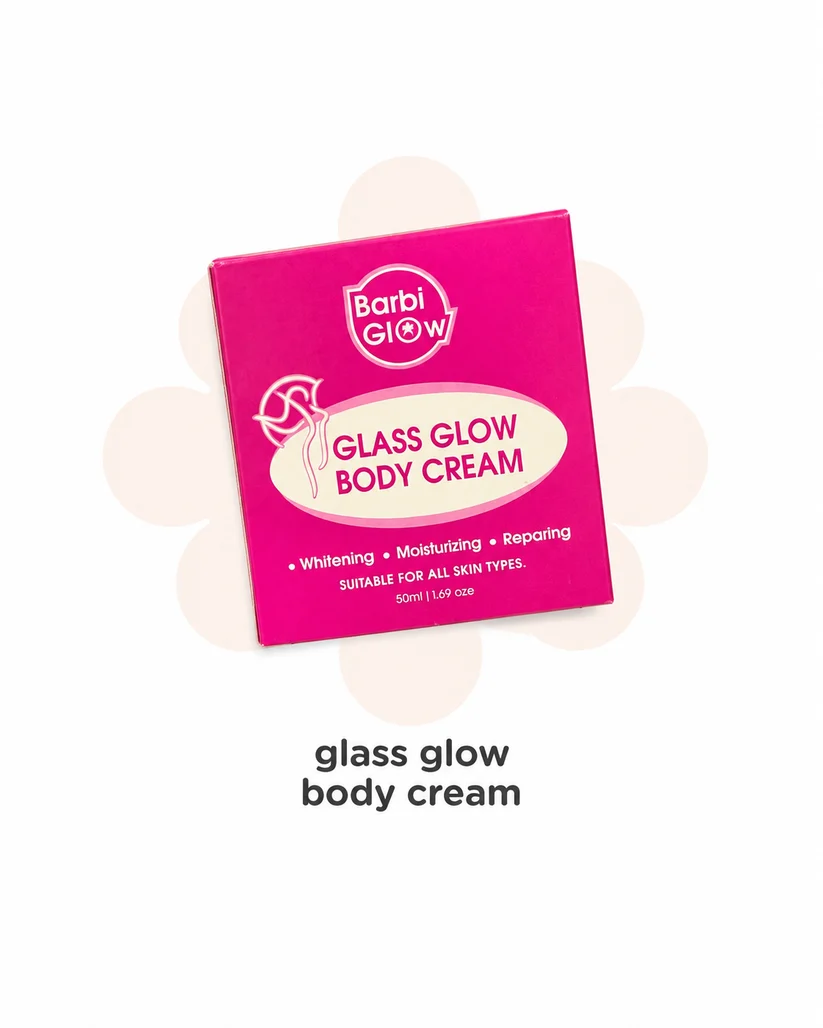
Your face gets sunscreen every morning, a serum at night, maybe a mask on Sundays. Then you glance down while holding a cup of tea and notice your hands belong to a different season. Darker knuckles, a patchy tan line where your watch sits, feet that look two shades deeper than your legs.
Hands and feet are the most overlooked parts of a skincare routine. They’re exposed all day, washed constantly, and rarely protected. The good news is that they respond well to the right care. Here are five types of creams worth knowing about, plus a few habits that make them work faster.
Why Hands and Feet Tan Unevenly
The skin on your hands is thin, with few oil glands, so it shows sun damage early. Feet get hit by sandals, tight straps, and friction, which leaves them dull and uneven. Sun exposure triggers extra pigment, and without protection that pigment settles in and stays.
Fading it takes ingredients that slow pigment production, gently lift the dull top layer, and protect what’s underneath. That’s what each of these five does.
1. A Vitamin C Cream for Brightening
If you want one ingredient for uneven tone, start here. Vitamin C interrupts the pigment-making process and helps the skin look clearer and fresher over time. Look for a cream that feels light and absorbs quickly, because you’ll want to use it daily.
Apply it in the morning, before sunscreen. Your hands see the sun more than almost any other part of you, so this pairing does a lot of quiet work. A lot of people who want that smooth, even-toned barbie glow on their arms and hands begin with this step.
2. A Niacinamide Cream for Patchy Tone
Niacinamide is gentle, forgiving, and good for people whose skin gets irritated easily. It helps even out blotchy areas and supports the skin barrier, which matters a lot when your hands are washed twenty times a day.
It suits feet too, especially around the ankles and tops of the toes, where sandal lines tend to show up. Give it six to eight weeks before judging. Pigment fades slowly, and niacinamide rewards patience more than speed.
3. A Lactic Acid Cream for Dull, Rough Texture
Sometimes the problem isn’t only color. Sun-exposed skin builds up a layer of dead cells that makes everything look grey and feel rough. A cream with lactic acid dissolves that layer gently, so the brightening ingredients underneath can reach the skin.
This one is especially useful for elbows, knuckles, heels, and the sides of the feet. Use it in the evening, two or three times a week to begin with, and never right before sun exposure. Exfoliating acids make skin more sensitive, so daytime sunscreen becomes non-negotiable.
4. A Targeted Whitening Cream for Hands and Feet
This is the category many readers search for, and it deserves a careful look. A good whitening cream for hands and feet usually combines several gentle actives, such as a brightening agent, a hydrating base, and sometimes a mild exfoliant, in a formula built for thicker, harder-working skin.
A few things to check before you buy:
- A short, clear ingredient list you can actually read
- No harsh bleaching agents, since these can thin the skin and cause rebound darkening
- A texture you’ll enjoy using, because consistency beats strength
- A sunscreen step to go with it
Used daily, a quality whitening cream for hands and feet can visibly improve tone within a few weeks. The word “whitening” is a little misleading, though. What you’re really doing is returning your skin to its natural, even shade, not making it paler than it is.
5. An SPF-Infused Hand Cream for Prevention
This is the one that keeps the others working. Fixing sun damage while ignoring sun exposure is like mopping the floor with the tap still running. A hand cream with built-in broad-spectrum SPF gives you protection that’s easy to reapply, since you already reach for hand cream all day.
Keep one in your bag, one near the sink, and one in the car. Every time you wash your hands, you’ve removed a layer of protection, so put it back on. Skip this habit and even the best brightening cream will struggle to hold its results.
Where a Brightening Spray Fits In
Creams do the main work, but some days you need something quicker. A gluta whitening spray is handy for larger areas like arms, legs, and the tops of the feet, where rubbing in a thick cream feels like a chore. A light mist spreads easily and dries fast, so it works well on busy mornings or after a shower.
Think of it as a top-up, not a replacement. The spray keeps skin hydrated and brightened between cream applications, and its convenience means you’re more likely to stay consistent. If you’re after that glassy, even barbie glow, layering a mist over properly moisturized skin gives a lovely finish.
A Simple Way to Put It All Together
You don’t need to use all five at once. A realistic setup looks like this:
- Morning: vitamin C or niacinamide cream, followed by SPF hand cream
- Evening: your targeted whitening cream for hands and feet, with the lactic acid cream swapped in a couple of nights a week
- Anytime: a brightening spray on exposed areas when you want a quick refresh
Start with two products and add more once your skin settles. Introducing everything on day one is the fastest route to irritation, and irritated skin often darkens more.
Habits That Speed Things Up
Exfoliate gently. A soft scrub once a week is plenty. Aggressive scrubbing causes micro-damage that can worsen pigmentation.
Moisturize while skin is damp. Applying cream right after washing locks in water and helps actives absorb.
Wear socks and gloves when it makes sense. Driving gloves and cotton socks at night, after your cream, create a mini treatment that boosts results.
Be patient with the timeline. Most people notice a softer, brighter look in three to four weeks, and deeper discoloration can take two to three months.
Know when to see a professional. If a dark patch is changing shape, bleeding, or looks unusual, have a dermatologist check it. Stubborn pigmentation that doesn’t budge may also need prescription-level treatment.
The Takeaway
Sun damage on hands and feet isn’t permanent, and it doesn’t call for complicated routines. A brightening cream, a texture-smoothing cream, a targeted treatment, a protective SPF, and a quick spray for convenience cover everything your skin needs. Start small, stay consistent, and protect what you’ve fixed. Before long, your hands and feet will match the care you give your face.
 Greek
 English
 Arabic
 French
 Spanish
 Portuguese
 Deutsch
 Turkish
 Dutch
 Italiano
 Russian
 Romaian
 Portuguese (Brazil)