


Why Does IPTV Keep Buffering and How Can You Fix It?
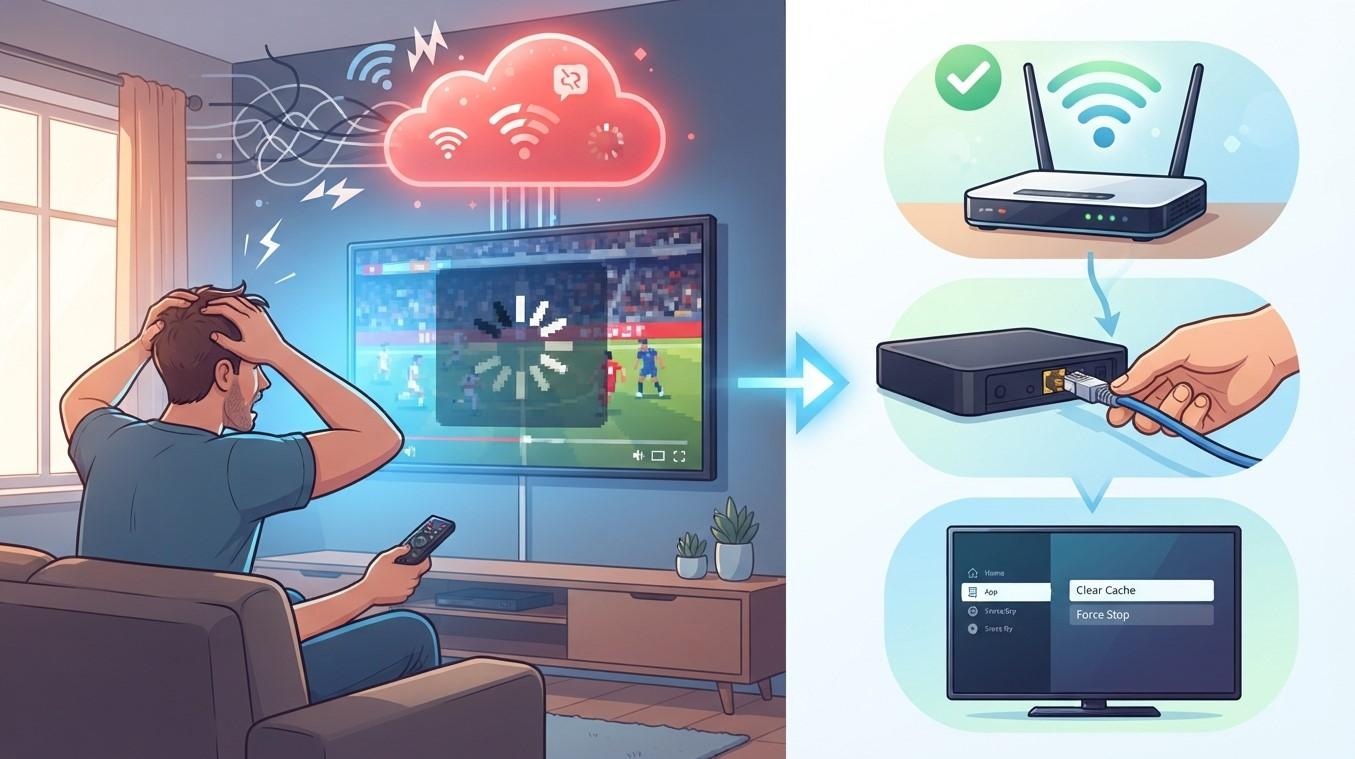
IPTV has made watching live television, movies, sports, and TV shows more convenient by delivering entertainment through an internet connection. However, buffering can quickly ruin the viewing experience. A video that constantly pauses, freezes, or takes too long to load can become frustrating, especially when watching live programs.
So, why does IPTV keep buffering, and what can you do to fix it?
Buffering can happen for several reasons, including slow internet speeds, weak Wi-Fi signals, overloaded networks, outdated devices, or problems with the streaming provider. In this guide, we will explore the common causes and practical solutions to help you enjoy smoother streaming with a reliable IPTV Service.
Table of Contents
-
What Is IPTV Buffering?
-
Why Does IPTV Keep Buffering?
-
How to Fix IPTV Buffering Problems
-
How Internet Speed Affects IPTV
-
Tips for Choosing the Best IPTV Service
-
Frequently Asked Questions
-
Final Thoughts and CTA
1. What Is IPTV Buffering?
IPTV buffering occurs when a video pauses because your device cannot receive or process enough data to continue playback smoothly.
When you stream a live channel or movie, your device temporarily stores video data before displaying it. If data arrives too slowly or the connection becomes unstable, playback may stop until enough information is available.
Common signs include:
-
Videos repeatedly pausing.
-
Channels taking too long to load.
-
Frozen screens during playback.
-
Poor or changing video quality.
-
Frequent disconnections from streams.
2. Why Does IPTV Keep Buffering?
Understanding the cause is the first step toward fixing the problem.
Slow Internet Connection
Insufficient download speed can prevent your device from receiving video data quickly enough. HD and 4K streams generally require more bandwidth than standard-definition content.
Weak Wi-Fi Signal
A router located far from your television may provide a weak connection. Walls, furniture, and electronic interference can also affect wireless performance.
Too Many Connected Devices
When multiple devices stream videos, download files, or play online games, your available bandwidth may become limited.
Overloaded Streaming Servers
Sometimes buffering is caused by the IPTV provider's servers or network infrastructure rather than your home internet connection.
Outdated Applications or Devices
Older software and streaming devices may experience compatibility or performance issues that interrupt playback.
Network Congestion
Internet performance can decrease during busy periods when many people in your area use the network simultaneously.
3. How to Fix IPTV Buffering Problems
Try these practical solutions to improve your streaming experience.
Step 1: Check Your Internet Speed
Run an internet speed test and compare your results with the requirements of your selected video quality. A stable connection is just as important as download speed.
Step 2: Restart Your Router
Turn off your router, wait approximately 30 seconds, and switch it back on. This may resolve temporary network problems.
Step 3: Use an Ethernet Connection
If possible, connect your Smart TV or streaming device directly to your router using an Ethernet cable. Wired connections are generally more stable than Wi-Fi.
Step 4: Reduce Network Usage
Pause large downloads, software updates, and unnecessary streaming on other devices while watching IPTV.
Step 5: Update Your Streaming Application
Check for application updates and install the latest compatible version. Also, make sure your device's operating system is up to date.
Step 6: Clear Application Cache
Some streaming applications store temporary data that can cause performance issues. Clearing the cache may help, depending on your device and application.
Step 7: Contact Your IPTV Provider
If buffering continues across different devices and internet connections, contact your provider. The issue may involve server maintenance, stream availability, or network performance.
4. How Internet Speed Affects IPTV
Your internet connection plays an important role in streaming quality.
Here are general speed recommendations for a single stream:
| Video Quality | Recommended Download Speed |
|---|---|
| SD (480p) | 3–5 Mbps |
| HD (720p) | 5–10 Mbps |
| Full HD (1080p) | 10–15 Mbps |
| 4K Ultra HD | 25 Mbps or higher |
These figures are general guidelines. Actual requirements depend on video compression, network stability, and the provider's infrastructure.
5. Tips for Choosing the Best IPTV Service
Your home network is not always responsible for buffering. The provider you choose also matters.
Before selecting the Best IPTV option, consider:
-
Streaming reliability: Research independent reviews and customer experiences.
-
Video quality: Check the available resolutions and streaming specifications.
-
Device compatibility: Make sure your preferred devices are supported.
-
Customer support: Look for accessible technical assistance.
-
Subscription details: Understand pricing, renewal terms, and cancellation policies.
-
Content licensing: Confirm that the provider has the necessary rights to distribute its advertised content.
Choosing a properly licensed and reliable IPTV Service can help reduce problems associated with poor provider infrastructure.
Frequently Asked Questions (FAQs)
1. Why does IPTV buffer even with fast internet?
Buffering can occur because of weak Wi-Fi signals, network congestion, overloaded provider servers, or device performance issues.
2. Does restarting a router fix IPTV buffering?
It can. Restarting your router may resolve temporary connectivity problems and improve network performance.
3. Is Ethernet better than Wi-Fi for IPTV?
Generally, yes. Ethernet provides a more consistent connection and is less affected by wireless interference.
4. How much internet speed do I need for IPTV?
A single HD stream generally benefits from 5–10 Mbps or more, while 4K streaming typically needs at least 25 Mbps.
5. Can an outdated device cause IPTV buffering?
Yes. Older devices may struggle with modern streaming applications, video formats, or high-resolution content.
6. Can my IPTV provider cause buffering?
Yes. Server overload, maintenance, and network infrastructure problems can affect streaming even when your home internet connection is working properly.
Final Thoughts
IPTV buffering can result from several issues, including slow internet speeds, weak Wi-Fi, network congestion, outdated applications, and provider-side problems. Fortunately, many of these issues can be addressed with simple troubleshooting steps.
Start by checking your internet connection, restarting your router, updating your streaming device, and using Ethernet when possible. If the problem continues, contact your provider to investigate potential server issues.
Choosing the Best IPTV option also means considering reliability, customer support, device compatibility, and legal content distribution.
Explore SmartiFilix for Your Streaming Needs
Looking for an IPTV option for your entertainment needs? Visit SmartiFilix to explore its available subscription options, streaming features, and supported devices.
Visit SmartiFilix – Explore IPTV Service Options
Discover the available features and find an entertainment solution that matches your viewing preferences.
 Greek
 English
 Arabic
 French
 Spanish
 Portuguese
 Deutsch
 Turkish
 Dutch
 Italiano
 Russian
 Romaian
 Portuguese (Brazil)