


How Home Extensions Can Transform Your Living Space
Introduction
As families grow and lifestyles change, the space available in a home may no longer meet everyday needs. A growing family might need an extra bedroom, while homeowners working remotely may require a dedicated office or a larger kitchen for entertaining guests. Moving to a bigger property is one option, but it can involve significant expenses, time, and disruption. A home extension offers an alternative by creating additional living space while allowing homeowners to remain in their existing property. With thoughtful planning, quality materials, and professional construction, an extension can improve comfort, functionality, and property value.
What Is a Home Extension?
A home extension is a construction project that increases the usable floor area of an existing property. It involves adding new space to the building rather than simply changing the layout of existing rooms.
Depending on the property's design and available land, homeowners can consider several extension options. These projects can create practical spaces that support modern family requirements without requiring a complete relocation.
When exploring home extensions uk, it is important to understand the available designs, planning requirements, and construction considerations before starting a project.
Different Types of Home Extensions to Consider
Every property has different requirements, so choosing the right extension depends on available space, budget, and intended use.
1. Rear Home Extensions
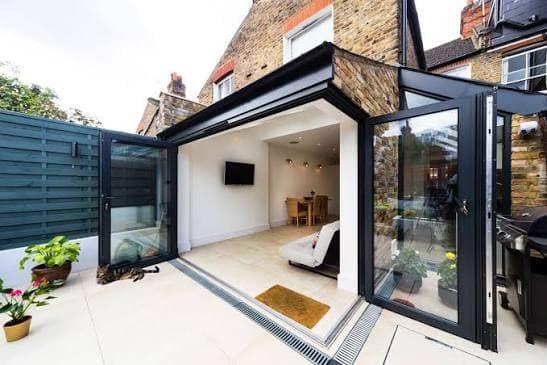
A rear extension increases the property's space towards the back of the building. It is particularly popular for homeowners who want larger kitchens, dining areas, or open-plan living spaces.
By incorporating large windows or sliding doors, a rear extension can introduce more natural light and create a stronger connection between indoor and outdoor areas.
2. Side Return Extensions
Side return extensions use narrow spaces alongside existing properties, particularly terraced and semi-detached houses.
Although these areas may appear small, extending into them can significantly improve kitchen layouts and provide additional room for dining or storage.
3. Double-Storey Extensions
A double-storey extension adds space across two floors, making it suitable for households that require multiple additional rooms.
For example, homeowners could create a larger kitchen downstairs and an extra bedroom or bathroom upstairs. However, structural requirements and planning considerations must be assessed carefully.
4. Wraparound Extensions
A wraparound extension combines rear and side extensions to create a larger, more flexible living area.
This option can transform an outdated property into a modern home with improved circulation, additional storage, and spacious communal areas.
How Home Extensions Improve Everyday Living
One of the biggest advantages of extending a property is the opportunity to create spaces that match changing household needs.
Creating More Space for Growing Families
As families expand, existing bedrooms and communal areas can become overcrowded. An extension can provide additional bedrooms, playrooms, or shared living spaces, allowing everyone to enjoy greater comfort and privacy.
Instead of relocating, homeowners can adapt their existing property to accommodate their family's changing requirements.
Improving Kitchen and Dining Areas
The kitchen is often one of the busiest areas of a home. A well-designed extension can provide room for additional worktops, modern appliances, kitchen islands, and dining furniture.
Furthermore, open-plan layouts make it easier for family members to spend time together while cooking, eating, or entertaining guests.
Building a Dedicated Home Office
Remote and flexible working have increased the demand for practical home office spaces. An extension can provide a quiet working environment away from busy household areas.
With suitable lighting, electrical installations, ventilation, and storage, homeowners can create a productive workspace that supports everyday professional activities.
Important Factors to Consider Before Starting an Extension
Successful construction requires careful preparation. Before beginning a project, homeowners should consider several important factors.
Planning Permission and Building Regulations
Not every home extension requires full planning permission. Some projects may qualify under permitted development rights, depending on the property's location, size, design, and other restrictions.
However, building regulations generally apply to relevant construction work to ensure structural safety, fire protection, insulation, ventilation, and energy efficiency.
Homeowners should check the latest requirements with their local planning authority and obtain professional advice before construction begins.
Budget and Construction Costs
Establishing a realistic budget helps prevent unexpected financial difficulties. Costs can vary depending on the extension's size, materials, structural requirements, labour, and internal finishing.
A comprehensive budget should consider:
·
Design and architectural fees.
·
·
Structural calculations and surveys.
·
·
Materials and construction labour.
·
·
Electrical and plumbing installations.
·
·
Heating, insulation, and ventilation.
·
·
Flooring, decorating, and finishing.
·
·
Contingency funds for unexpected work.
·
Obtaining detailed quotations from experienced contractors makes it easier to compare services and understand what is included.
Choosing Suitable Materials
Material selection affects the appearance, durability, and performance of an extension. Bricks, timber, glass, steel, and modern insulation products all offer different benefits.
The selected materials should complement the existing property while meeting relevant building standards.
How to Design an Extension That Adds Long-Term Value
A successful extension should provide more than additional square footage. It should improve the property's overall functionality and remain practical for years to come.
Focus on Natural Lighting
Large windows, rooflights, and glazed doors can make an extension feel brighter and more spacious. Natural lighting also helps create a welcoming atmosphere throughout the day.
Prioritise Energy Efficiency
Modern insulation, energy-efficient glazing, appropriate ventilation, and suitable heating systems can improve indoor comfort and reduce unnecessary energy consumption.
Maintain a Consistent Property Design
An extension should complement the existing building's architectural style. Matching exterior materials, rooflines, and window designs can create a more cohesive appearance.
When considering home extensions uk, homeowners should balance modern design preferences with the property's existing character and practical requirements.
Why Professional Builders Make a Difference
Home extensions involve several construction stages, including groundwork, foundations, structural work, roofing, insulation, electrical installations, and interior finishing. Each stage requires suitable knowledge, preparation, and attention to detail.
Working with experienced professionals helps coordinate these activities and identify potential construction issues before they become expensive problems.
Woodhill Builders supports homeowners looking to improve their properties through practical building and renovation solutions. Professional guidance can help establish realistic project requirements, select appropriate materials, and develop a construction plan that suits the property's design.
Before hiring a contractor, homeowners should review previous projects, request written quotations, check relevant insurance, and agree on project timelines and payment arrangements.
Common Mistakes to Avoid During Home Extension Projects
Even a well-planned project can experience difficulties if important details are overlooked.
Some common mistakes include:
1.
Ignoring planning requirements: Starting construction without checking applicable permissions can result in costly complications.
2.
3.
Underestimating the budget: Unexpected structural work and material costs can increase overall expenses.
4.
5.
Choosing contractors based only on price: The cheapest quotation may not include essential work or suitable materials.
6.
7.
Poor space planning: An extension should improve movement, storage, and everyday functionality.
8.
9.
Overlooking insulation: Inadequate insulation can affect comfort and energy efficiency.
10.
11.
Skipping written agreements: Clearly documented costs, responsibilities, and timelines help avoid misunderstandings.
12.
Woodhill Builders encourages careful preparation and practical design decisions to help homeowners achieve better results from their building projects.
Conclusion
A home extension can transform an existing property by creating additional bedrooms, larger kitchens, dedicated workspaces, and more comfortable family areas. With the right design, materials, budgeting, and professional construction support, homeowners can improve their living environment without the inconvenience of moving to another property. Understanding planning requirements, prioritising energy efficiency, and choosing a reliable contractor are essential steps towards a successful project. Whether considering a rear extension, side return, or double-storey addition, investing in home extensions uk can provide practical long-term benefits when the work is carefully planned and completed to appropriate standards. Woodhill Builders can help homeowners explore building and renovation possibilities that make their properties more functional and enjoyable.
 French
 English
 Arabic
 Spanish
 Portuguese
 Deutsch
 Turkish
 Dutch
 Italiano
 Russian
 Romaian
 Portuguese (Brazil)
 Greek