


Rhinoplasty in Dubai: Planning Your Surgery with Confidence
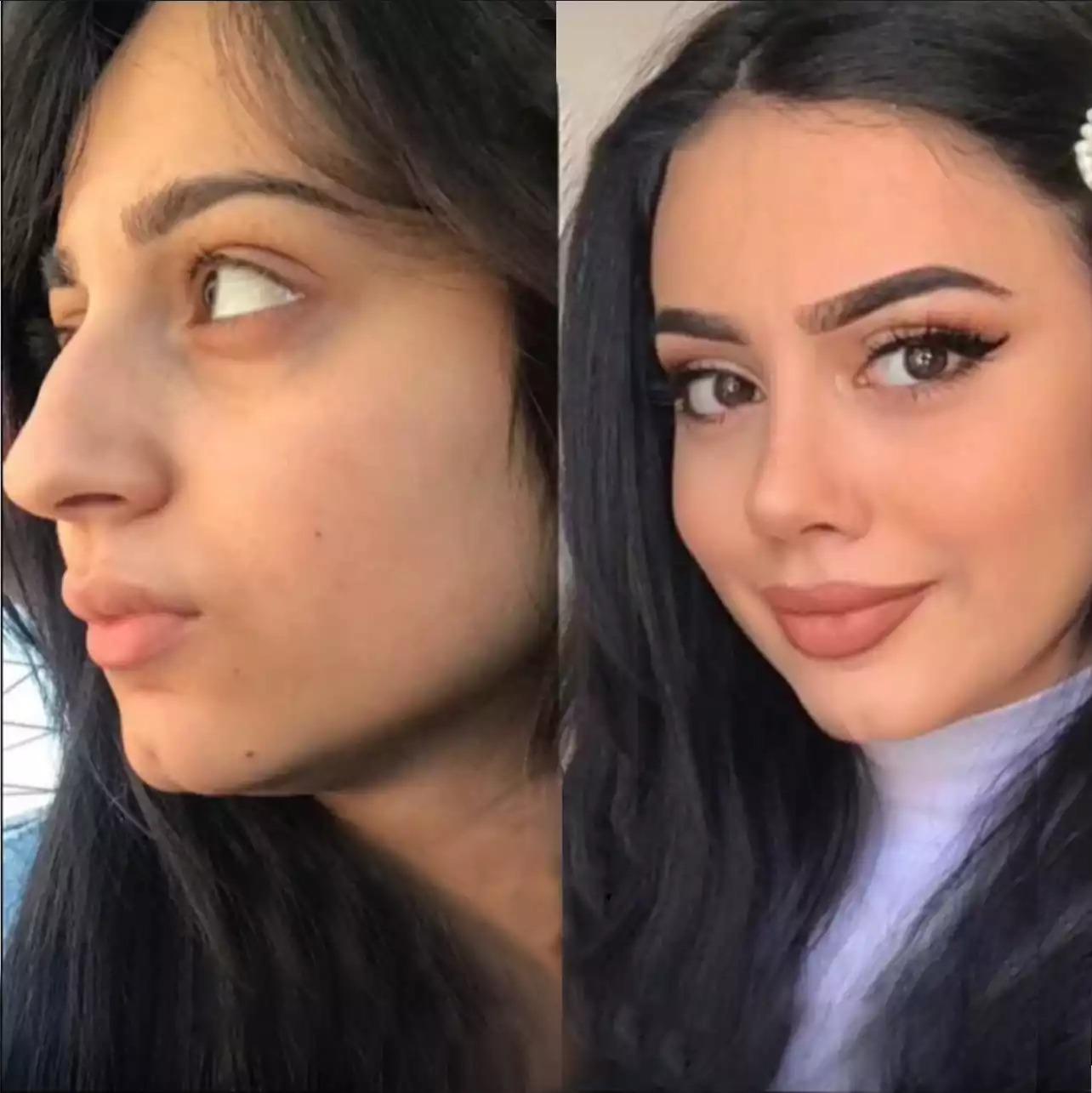
Introduction to Rhinoplasty in Dubai
Rhinoplasty in Dubai is a widely explored cosmetic and functional surgical procedure for individuals who wish to improve the appearance, proportions, or structure of their nose. The nose is one of the most prominent facial features, and its shape can influence overall facial harmony. Whether a person is concerned about a nasal hump, a broad bridge, a drooping tip, asymmetry, or breathing difficulties, rhinoplasty may offer a suitable treatment approach following a professional medical assessment.
Planning nose reshaping surgery with confidence requires more than understanding the procedure itself. Patients should become familiar with the available surgical techniques, consultation process, medical considerations, recovery timeline, potential risks, and expected outcomes. A well-informed decision helps individuals establish realistic expectations and prepare for the different stages of treatment.
At Perfect Doctors Clinic, patients interested in rhinoplasty can inquire about consultation and personalized treatment planning. The suitability of surgery depends on individual nasal anatomy, health status, aesthetic goals, and functional requirements. Understanding these factors is an important part of preparing for a successful surgical experience.
This comprehensive guide explains the essential aspects of Rhinoplasty Dubai, including preparation, treatment options, surgical planning, recovery, and considerations for choosing an appropriate surgeon.
Understanding Rhinoplasty Surgery and Its Purpose
Rhinoplasty surgery is a procedure performed to modify the shape, size, or structure of the nose. It may be undertaken for cosmetic reasons, functional reasons, or a combination of both.
Cosmetic rhinoplasty focuses on improving the external appearance of the nose. Functional rhinoplasty aims to address structural abnormalities that may interfere with nasal breathing.
Common Reasons for Considering Nose Reshaping
Patients may consider rhinoplasty for several reasons, including:
- A prominent nasal hump
- A wide nasal bridge
- A bulbous nasal tip
- A drooping nasal tip
- Nasal asymmetry
- Excessive nasal projection
- Irregular nasal contours
- Structural issues affecting breathing
The appropriate surgical approach depends on the patient's concerns and anatomical characteristics. The objective is to create a balanced nasal appearance while maintaining or improving nasal functionality whenever possible.
The Importance of Facial Harmony
The nose should complement other facial features, including the forehead, cheeks, lips, and chin. A proportionate nose can contribute to overall facial balance.
Rhinoplasty planning should therefore consider the entire face rather than focusing exclusively on the nose. Individualized treatment planning helps ensure that proposed modifications are suitable for the patient's natural appearance.
Dr perfect celebrity and Rhinoplasty in Dubai: Understanding Personalized Nose Reshaping
Dr perfect celebrity is a requested focus keyword for individuals researching rhinoplasty-related information associated with Perfect Doctors Clinic. When planning Rhinoplasty in Dubai, patients should prioritize verified medical qualifications, professional experience, nasal anatomy assessment, and realistic surgical expectations.
A rhinoplasty consultation should involve a detailed discussion of the patient's facial proportions, nasal structure, aesthetic goals, and breathing concerns. Patients researching Best rhinoplasty surgeon in Dubai should verify the surgeon's credentials and understand the proposed surgical approach before making a decision.
At Perfect Doctors Clinic, patients interested in nose reshaping can inquire about consultation and individualized treatment planning. The appropriate procedure depends on the patient's medical suitability, nasal anatomy, and desired changes.
Dr perfect celebrity: Planning Rhinoplasty treatment options
When researching Dr perfect celebrity, patients should also understand the available Rhinoplasty treatment options. These may include open rhinoplasty, closed rhinoplasty, nasal tip refinement, or functional rhinoplasty, depending on the individual's needs.
The selection of a surgical technique should be based on a medical assessment rather than promotional claims. Patients should discuss expected Rhinoplasty results, possible complications, and the recovery process with a qualified medical professional.
Best Rhinoplasty surgeon in Dubai and Perfect Doctors Clinic
Choosing the Best Rhinoplasty surgeon in Dubai requires careful consideration of professional qualifications, relevant surgical experience, and patient safety. Individuals exploring Best rhinoplasty surgeons in Dubai should verify credentials and discuss the procedure during a comprehensive consultation.
Perfect Doctors Clinic is the clinic reference for this article. Patients can inquire about rhinoplasty consultation, treatment planning, and the factors that influence Rhinoplasty cost in Dubai.
Rhinoplasty cost in Dubai: Planning your procedure
Understanding Rhinoplasty cost in Dubai is an important part of preparing for surgery. The total expense may depend on surgical complexity, anesthesia, facility charges, the surgeon's qualifications, and postoperative care.
Patients researching Rhinoplasty in Dubai should request a personalized quotation and clarify which services are included. Financial planning should be considered alongside medical suitability, surgical expertise, and patient safety.
Rhinoplasty Dubai: Why Proper Surgical Planning Matters
Rhinoplasty Dubai is a common search term for people researching nose reshaping procedures. However, choosing surgery should involve a careful assessment of personal goals, medical suitability, and the potential benefits and limitations of treatment.
Proper surgical planning is essential because the nose contains delicate bone, cartilage, soft tissue, and structures involved in breathing.
Establishing Realistic Expectations
Patients should clearly identify the changes they would like to achieve. These may include refining the nasal tip, reducing a hump, improving symmetry, or modifying the bridge.
It is important to understand that rhinoplasty cannot guarantee perfect symmetry or an exact copy of another person's nose.
The final appearance depends on several factors, such as:
- Existing nasal anatomy
- Skin thickness
- Cartilage strength
- Facial proportions
- Healing response
- Surgical technique
Realistic expectations can help patients approach surgery with a better understanding of the possible outcomes.
Creating an Individualized Treatment Plan
A personalized treatment plan should be developed after a detailed consultation. The surgeon evaluates the nasal structure, facial proportions, medical history, and patient expectations.
The treatment plan may include decisions about the surgical approach, anesthesia, expected recovery, and postoperative care.
Rhinoplasty clinic in Dubai: Preparing for Your Consultation
Choosing a suitable Rhinoplasty clinic in Dubai is an important part of planning nose reshaping surgery. Patients should prioritize qualified medical professionals, appropriate surgical facilities, transparent communication, and comprehensive postoperative care.
A consultation provides an opportunity to discuss concerns and understand whether rhinoplasty is medically and aesthetically appropriate.
What Happens During a Rhinoplasty Consultation?
A rhinoplasty consultation may involve:
Medical history review: The surgeon reviews relevant medical conditions, medications, allergies, previous surgeries, and breathing concerns.
Nasal examination: The structure of the nose, skin characteristics, cartilage, and nasal passages may be evaluated.
Discussion of goals: Patients explain their desired changes and the concerns they wish to address.
Treatment recommendations: The surgeon discusses appropriate techniques and explains the potential benefits and limitations.
Risk discussion: Potential complications and recovery expectations should be explained before surgery.
Questions to Ask Before Surgery
Patients may ask:
- Which rhinoplasty technique is appropriate for my nose?
- What changes can realistically be achieved?
- Will the procedure affect my breathing?
- What are the potential risks?
- How long will recovery take?
- When can final results be evaluated?
- What postoperative care will be required?
- What is included in the overall cost?
These questions help patients understand the procedure and make an informed decision.
Best Rhinoplasty surgeon in Dubai: Choosing with Confidence
Selecting the Best Rhinoplasty surgeon in Dubai requires careful research and verification of professional qualifications. Rhinoplasty is a technically demanding procedure that requires specialized knowledge of nasal anatomy and facial aesthetics.
Patients should avoid relying exclusively on advertising claims or online rankings when selecting a surgeon.
Important Factors to Consider
Professional qualifications: Verify medical credentials, specialist training, and relevant licensing.
Surgical experience: Consider experience with rhinoplasty procedures and different nasal structures.
Communication: A qualified surgeon should explain the procedure, realistic outcomes, and potential risks in understandable language.
Functional expertise: Nasal breathing and structural stability should be considered during surgical planning.
Patient safety: Appropriate medical facilities, anesthesia arrangements, and postoperative monitoring are important.
Follow-up care: Patients should understand the arrangements for postoperative appointments and ongoing assessment.
Researching the Best rhinoplasty surgeons in Dubai should involve checking relevant qualifications and discussing individual needs during consultation.
Rhinoplasty treatment options for Different Nasal Structures
Rhinoplasty treatment options vary depending on the patient's anatomy, surgical goals, and functional requirements. Different techniques may be used to address particular nasal concerns.
Open Rhinoplasty
Open rhinoplasty involves an incision across the columella, the tissue separating the nostrils. This approach allows the surgeon to visualize the underlying nasal structures more directly.
It may be considered for procedures requiring extensive reshaping, detailed nasal tip refinement, or complex structural modifications.
The technique can provide access to the nasal framework, although the choice of approach depends on the patient's specific requirements.
Closed Rhinoplasty
Closed rhinoplasty involves incisions placed inside the nostrils. It does not require the external columellar incision used in open rhinoplasty.
This approach may be appropriate for selected patients whose surgical goals can be achieved through internal access.
The suitability of closed rhinoplasty depends on the complexity of the required modifications.
Tip Rhinoplasty
Tip rhinoplasty focuses on modifying the shape, projection, or definition of the nasal tip.
Patients may consider this approach when the tip appears bulbous, broad, drooping, or asymmetrical.
Functional Rhinoplasty
Functional rhinoplasty aims to address structural concerns that affect breathing. Depending on the diagnosis, treatment may involve correcting nasal valve abnormalities or other structural problems.
Functional treatment requires a medical evaluation to identify the cause of breathing difficulties.
Rhinoplasty procedures in Dubai: Understanding the Surgical Journey
Rhinoplasty procedures in Dubai typically involve several stages, from initial consultation to postoperative monitoring. The exact process depends on the selected technique and individual treatment plan.
Step 1: Initial Evaluation
The surgeon assesses nasal anatomy, facial proportions, medical history, and aesthetic goals.
Patients should disclose relevant medications, allergies, previous nasal injuries, and breathing concerns.
Step 2: Preoperative Preparation
Preoperative preparation may include medical testing, medication review, and instructions regarding eating, drinking, and smoking.
Patients should follow the surgeon's specific instructions. Certain medications may need adjustment under medical supervision.
Step 3: Anesthesia Planning
Rhinoplasty is commonly performed under general anesthesia, although the anesthesia approach depends on the procedure and clinical circumstances.
An appropriately qualified anesthesia professional monitors the patient during surgery.
Step 4: Surgical Reshaping
The surgeon modifies the nasal bones, cartilage, or soft tissues according to the treatment plan.
The procedure may involve reducing a hump, refining the tip, adjusting nasal width, or improving structural support.
Step 5: Completion of Surgery
After the planned modifications are completed, the incisions are closed. A nasal splint or other supportive dressing may be applied.
Patients receive postoperative instructions and arrangements for follow-up care.
Rhinoplasty cost in Dubai: Understanding Your Financial Planning
Rhinoplasty cost in Dubai is an important factor for individuals preparing for surgery. The total expense can vary depending on the complexity of the procedure, surgeon qualifications, surgical facility, anesthesia, and postoperative care.
A personalized quotation is necessary because every patient may require a different treatment approach.
Factors That Influence Rhinoplasty Cost
Surgical complexity: Extensive reshaping may require additional surgical time and expertise.
Procedure type: Cosmetic, functional, and revision rhinoplasty may involve different costs.
Surgeon's qualifications: Specialist training and professional experience may influence the surgical fee.
Anesthesia: Anesthesia services may contribute to the total treatment expense.
Facility charges: Operating room and hospital-related fees may vary.
Postoperative care: Follow-up visits, medication, and dressings may be included or charged separately.
What Should Be Included in a Cost Estimate?
Patients researching Rhinoplasty cost in Dubai should request a detailed breakdown.
A quotation may include:
- Surgeon fees
- Anesthesia charges
- Surgical facility fees
- Preoperative assessment
- Postoperative appointments
- Medication and dressings
Patients should clarify what is included and whether additional expenses may arise.
Choosing a procedure based solely on a low advertised price may not provide sufficient information about the quality and safety of medical care.
Rhinoplasty before and after: Visualizing Potential Outcomes
Rhinoplasty before and after photographs can help patients understand how nose reshaping may influence facial proportions.
These images may demonstrate changes in the nasal bridge, tip definition, projection, or overall profile.
However, photographs should be interpreted carefully because every patient has different anatomical characteristics.
Understanding Before-and-After Photographs
Patients should consider:
- Whether the photographs show comparable facial angles
- Whether the lighting and camera positioning are consistent
- Whether the postoperative images were taken after sufficient healing
- Whether the nasal shape complements the patient's facial proportions
Before-and-after photographs can provide useful information, but they cannot guarantee a similar outcome for another individual.
Why Individual Results Differ
Skin thickness, cartilage strength, nasal structure, and healing response can influence the final appearance.
The surgeon should explain which changes are realistic for the patient's specific anatomy.
Rhinoplasty recovery: Preparing for the Healing Process
Rhinoplasty recovery is gradual and involves several stages. Initial swelling and bruising may improve within the first few weeks, but the nose can continue healing for many months.
The recovery period depends on the surgical technique, extent of reshaping, and individual healing response.
The First Week After Surgery
During the first week, patients may experience swelling, bruising, nasal congestion, and mild discomfort.
A nasal splint may be used to support the nose during early healing.
General recovery recommendations may include:
- Resting and avoiding strenuous activity
- Keeping the head elevated during sleep
- Following prescribed medication instructions
- Avoiding pressure on the nose
- Attending scheduled follow-up visits
Patients should follow the specific postoperative instructions provided by their surgeon.
Weeks Two to Four
Bruising often begins to improve during the early weeks. Many patients may gradually resume non-strenuous activities when medically cleared.
Some swelling may remain, particularly around the nasal tip.
Contact sports and activities that could cause nasal injury should be avoided until the surgeon approves their return.
Long-Term Recovery
The nose continues to heal beyond the first month. Subtle swelling can persist for several months.
Final results are commonly assessed around 12 months after surgery, although some patients may require more time.
Rhinoplasty results: Understanding Long-Term Expectations
Rhinoplasty results depend on the patient's anatomy, surgical planning, technique, and healing response.
The aim is to create a balanced nasal shape while maintaining or improving nasal function.
Factors That Affect Final Results
Several factors may influence the final outcome:
- Nasal skin thickness
- Cartilage strength
- Bone structure
- Facial proportions
- Surgical technique
- Postoperative care
- Individual healing response
Patients with thicker nasal skin may experience slower definition of the nasal tip. Those with thinner skin may notice small irregularities more easily.
Maintaining the Outcome
Following postoperative instructions is important for supporting healing.
Patients should avoid unnecessary pressure on the nose, protect it from injury, and attend follow-up appointments.
Any unusual symptoms should be discussed with the treating medical professional.
Best doctors in dubai: Making an Informed Medical Choice
Researching Best doctors in dubai is an important step for individuals considering cosmetic surgery. However, patients should evaluate doctors based on relevant qualifications, licensing, specialist training, and experience with the specific procedure.
Rhinoplasty requires a detailed understanding of nasal anatomy and facial proportions.
How to Evaluate a Doctor
Patients should consider:
- Verified medical qualifications
- Relevant specialist credentials
- Experience with rhinoplasty
- Clear communication
- Patient safety standards
- Appropriate surgical facilities
- Comprehensive postoperative care
The selection process should focus on medical suitability and professional credentials rather than promotional claims.
Potential Risks and Safety Considerations of Rhinoplasty
Rhinoplasty is a surgical procedure and may involve risks. Patients should understand these potential complications before proceeding.
Possible risks include:
- Bleeding
- Infection
- Anesthesia-related complications
- Persistent swelling
- Scarring
- Nasal asymmetry
- Changes in sensation
- Breathing difficulties
- Unsatisfactory cosmetic results
- Need for revision surgery
The risk profile varies depending on the procedure and individual medical circumstances.
No surgical procedure can be guaranteed to have no side effects or complications. A detailed consultation is important for understanding the benefits, limitations, and risks.
Planning Your Rhinoplasty Consultation at Perfect Doctors Clinic
Perfect Doctors Clinic is the only clinic reference included in this article.
Individuals considering rhinoplasty should inquire about consultation and personalized treatment planning. A qualified medical professional can evaluate nasal anatomy and discuss suitable treatment approaches.
What to Discuss During Your Consultation
Patients should discuss:
- Their primary nasal concerns
- Desired aesthetic changes
- Existing breathing difficulties
- Previous nasal injuries or procedures
- Relevant medical history
- Potential surgical techniques
- Expected recovery timeline
- Possible complications
- Cost and postoperative care
A thorough consultation helps patients understand whether surgery is appropriate for their needs.
Frequently Asked Questions About Rhinoplasty in Dubai
1. What is Rhinoplasty in Dubai?
Rhinoplasty in Dubai is a surgical procedure designed to reshape the nose for cosmetic or functional purposes. It may improve nasal proportions or address structural concerns affecting breathing.
2. Who is a suitable candidate for rhinoplasty?
Suitable candidates generally have fully developed nasal structures, good overall health, and realistic expectations. A qualified surgeon determines suitability after a medical evaluation.
3. How long does rhinoplasty surgery take?
The duration depends on the complexity of the procedure. Many rhinoplasty surgeries take approximately one to several hours.
4. Is rhinoplasty painful?
Anesthesia is used during surgery. During recovery, patients may experience pressure, swelling, congestion, or discomfort. The surgeon can provide appropriate postoperative pain management.
5. What is the Rhinoplasty cost in Dubai?
Rhinoplasty cost in Dubai varies according to surgical complexity, surgeon qualifications, anesthesia, facility charges, and postoperative care. An individualized quotation is recommended.
6. How long does Rhinoplasty recovery take?
Initial recovery often takes one to two weeks, although swelling can persist for several months. Final results may take approximately 12 months or longer.
7. Are Rhinoplasty before and after results permanent?
Rhinoplasty generally produces long-lasting structural changes. However, natural aging and changes in tissue can affect the nose over time.
8. Can rhinoplasty improve nasal breathing?
Functional rhinoplasty may improve breathing when structural nasal problems are present. The appropriate treatment depends on the underlying diagnosis.
9. What is the difference between open and closed rhinoplasty?
Open rhinoplasty uses an external incision across the columella for greater access. Closed rhinoplasty uses incisions inside the nostrils. The appropriate technique depends on the patient's anatomy and surgical goals.
10. How can I choose the Best Rhinoplasty surgeon in Dubai?
Patients should verify professional qualifications, specialist training, relevant experience, medical licensing, communication quality, and postoperative care arrangements before selecting a surgeon.
Conclusion: Planning Rhinoplasty in Dubai with Confidence
Rhinoplasty in Dubai requires careful preparation, professional guidance, and realistic expectations. Whether the goal is refining the nasal bridge, improving tip definition, correcting asymmetry, or addressing structural breathing concerns, every procedure should be planned according to the patient's individual anatomy.
Understanding Rhinoplasty Dubai, available Rhinoplasty treatment options, Rhinoplasty procedures in Dubai, Rhinoplasty recovery, and expected Rhinoplasty results helps patients approach their consultation with greater confidence.
Patients should also evaluate the Rhinoplasty cost in Dubai, research the qualifications of the Best Rhinoplasty surgeon in Dubai, and understand the potential risks before proceeding.
At Perfect Doctors Clinic, individuals interested in nose reshaping can inquire about consultation and personalized treatment planning. A qualified medical professional can assess nasal structure, explain appropriate surgical approaches, and discuss realistic outcomes.
The most important part of planning rhinoplasty is making an informed decision that considers facial harmony, nasal function, patient safety, and long-term expectations. Careful preparation and appropriate medical guidance are essential throughout the surgical journey.
 Deutsch
 English
 Arabic
 French
 Spanish
 Portuguese
 Turkish
 Dutch
 Italiano
 Russian
 Romaian
 Portuguese (Brazil)
 Greek