


How Do Dental Braces Help Straighten Teeth?
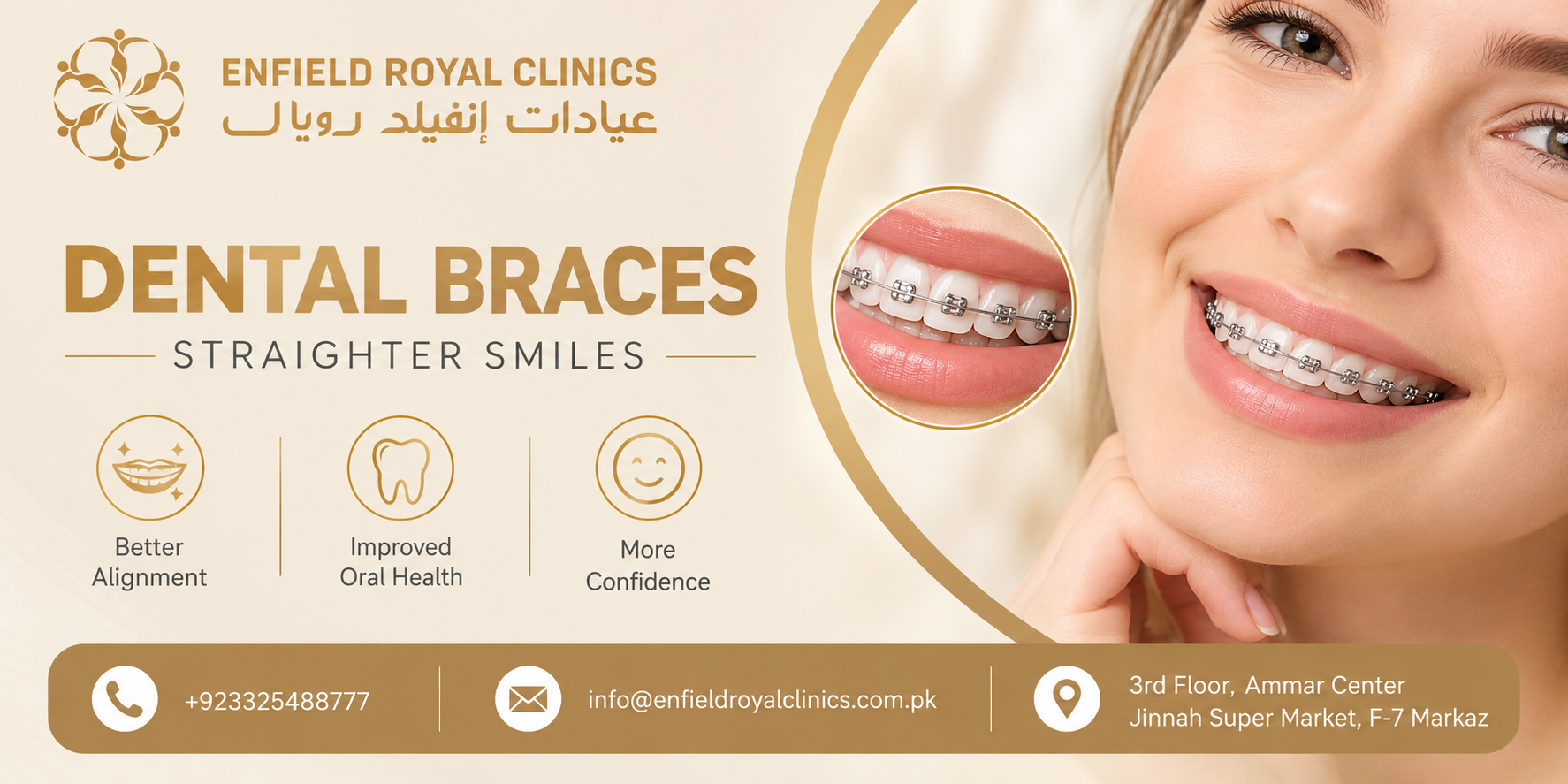
A straight and healthy smile can make a significant difference in a person's appearance, confidence, and overall oral health. However, many people experience dental problems such as crooked teeth, overcrowding, gaps, and bite misalignment. These issues can affect not only the appearance of a smile but also everyday activities like chewing, speaking, and maintaining proper oral hygiene. Dental braces are one of the most effective orthodontic treatments for correcting these concerns and creating a properly aligned smile.
People considering Dental Braces in Islamabad often want to understand how braces work, how long treatment takes, and what benefits they can expect. Modern orthodontic treatments offer different types of braces designed to suit individual dental needs, preferences, and lifestyles. With proper assessment and regular dental visits, braces can gradually move teeth into healthier positions and improve overall dental function.
1. What Are Dental Braces and How Do They Work?
Dental braces are orthodontic devices designed to correct the position of teeth and improve bite alignment. They apply gentle and continuous pressure to move teeth gradually into their desired positions. The treatment works through a natural biological process in which the bone surrounding the teeth changes over time, allowing the teeth to shift safely.
Traditional braces usually consist of small brackets attached to the teeth and connected with a special orthodontic wire. The wire applies controlled pressure, guiding the teeth into better alignment. During regular adjustment appointments, the orthodontic professional checks the progress and modifies the braces when necessary.
People choosing Dental Braces in Islamabad may receive different treatment options depending on their dental condition. The most suitable option depends on factors such as tooth positioning, jaw alignment, age, and treatment goals.
Braces can help correct several dental concerns, including:
-
Crooked or rotated teeth.
-
Overcrowded teeth.
-
Gaps between teeth.
-
Overbite and underbite.
-
Crossbite and open bite.
-
Uneven tooth alignment.
By addressing these problems, orthodontic treatment can improve both the appearance and functionality of the teeth.
2. Different Types of Dental Braces Available
Orthodontic technology has developed significantly, giving patients several options for straightening their teeth. Each type offers different advantages, and the right choice depends on the complexity of the dental problem and personal preferences.
Traditional Metal Braces
Metal braces are among the most commonly used orthodontic treatments. They feature metal brackets and wires that gradually move teeth into their correct positions. They are suitable for treating mild, moderate, and complex alignment problems.
Ceramic Braces
Ceramic braces work similarly to traditional metal braces but use tooth-colored or transparent brackets. Their appearance blends more naturally with the teeth, making them a popular choice among adults and teenagers who prefer a less noticeable treatment.
Lingual Braces
Lingual braces are attached to the inner surfaces of the teeth, making them less visible from the outside. They can be suitable for individuals who want orthodontic correction without noticeable brackets. However, they may require an adjustment period because of their position near the tongue.
Clear Aligners
Clear aligners are removable, transparent trays designed to move teeth gradually. They are generally suitable for selected mild to moderate orthodontic concerns. Patients need to wear them for the recommended number of hours daily to achieve effective results.
When exploring Dental Braces in Islamabad, understanding these options helps individuals make informed decisions about their orthodontic treatment.
3. How Do Dental Braces Improve Teeth Alignment?
Dental braces straighten teeth by applying controlled pressure over an extended period. This pressure encourages gradual movement within the jawbone, allowing teeth to shift into their intended positions.
The process usually begins with a detailed dental examination. The dental professional evaluates the position of the teeth, bite relationship, jaw structure, and overall oral health. Dental X-rays, photographs, and digital scans may also be recommended to create an appropriate treatment plan.
Once the braces are placed, they begin applying gentle pressure to selected teeth. Over time, the surrounding bone undergoes natural changes that support tooth movement.
The treatment may involve several stages:
-
Initial alignment: Crooked and crowded teeth begin moving into better positions.
-
Bite correction: The orthodontic treatment addresses problems involving how the upper and lower teeth meet.
-
Space adjustment: Gaps between teeth are gradually reduced when appropriate.
-
Final positioning: Small adjustments help achieve a balanced and functional alignment.
-
Retention: Retainers help maintain the corrected tooth positions after braces are removed.
Each stage plays an important role in achieving a healthy and balanced smile. The duration and progress depend on the complexity of the dental condition and the patient's response to treatment.
4. Major Benefits of Getting Dental Braces
Dental braces provide several advantages beyond improving the appearance of teeth. Proper alignment can also support better oral hygiene and improve everyday dental functions.
Improved Smile Appearance
One of the most noticeable benefits is a straighter smile. Braces correct uneven teeth, reduce gaps, and improve overall dental appearance. This improvement can help individuals feel more comfortable when smiling and interacting with others.
Better Oral Hygiene
Crooked and crowded teeth can create difficult-to-reach areas where food particles and plaque accumulate. Straightening teeth can make brushing and flossing easier, helping individuals maintain better oral hygiene.
Improved Chewing Function
Misaligned teeth may prevent the upper and lower teeth from meeting properly. Orthodontic treatment can improve bite alignment, making chewing more comfortable and efficient.
Reduced Risk of Uneven Tooth Wear
When teeth do not meet correctly, certain areas may experience excessive pressure during chewing. Correcting bite problems can help distribute biting forces more evenly.
Better Dental Function
Properly aligned teeth can support comfortable speaking and improve the overall relationship between the teeth and jaws.
For individuals considering Dental Braces in Islamabad, these benefits demonstrate why orthodontic treatment is about more than achieving an attractive smile.
5. How Long Does Dental Braces Treatment Take?
The duration of orthodontic treatment varies from person to person. Some individuals may need braces for a relatively short period, while others with complex alignment or bite problems may require longer treatment.
In many cases, treatment takes approximately 12 to 24 months. However, this is only a general estimate, and individual treatment timelines may be shorter or longer.
Several factors influence the overall treatment duration:
-
Severity of misalignment: Complex dental problems generally require more time to correct.
-
Age and dental development: Tooth movement and treatment planning can vary depending on the patient's stage of dental development.
-
Type of braces: Different orthodontic systems may involve different treatment approaches.
-
Patient cooperation: Following dietary recommendations and attending appointments regularly can support treatment progress.
-
Oral health: Healthy gums and teeth are important for successful orthodontic treatment.
Patients should follow the recommended adjustment schedule and avoid delaying appointments. Consistent care helps maintain progress and reduces the possibility of unnecessary treatment delays.
6. How to Care for Teeth During Orthodontic Treatment
Proper oral hygiene is essential throughout the braces treatment period. Brackets and wires can make cleaning more challenging because food particles may become trapped around the orthodontic appliances.
A consistent dental care routine helps reduce the risk of cavities, gum inflammation, and plaque buildup.
Some useful care recommendations include:
Brush After Meals: Brushing after meals helps remove food particles trapped around brackets and wires. A soft-bristled toothbrush or orthodontic toothbrush can make cleaning easier.
Floss Regularly: Flossing helps remove plaque and food debris between teeth. Special floss threaders or orthodontic flossing tools can help patients clean around braces.
Avoid Hard and Sticky Foods: Hard candies, chewing gum, popcorn kernels, and sticky sweets may damage brackets or wires. Softer foods are generally easier to eat during treatment.
Attend Regular Dental Appointments: Routine appointments allow the orthodontic professional to monitor tooth movement, make necessary adjustments, and identify potential problems.
Use Recommended Oral Care Products: Fluoride toothpaste and other dentist-recommended products can help protect teeth during orthodontic treatment.
Maintaining these habits can make the treatment experience more comfortable and support healthier results.
Frequently Asked Questions (FAQs)
1. At What Age Can Someone Get Dental Braces?
Dental braces can be suitable for children, teenagers, and adults. Orthodontic treatment often begins during childhood or adolescence, but adults can also benefit from braces. The ideal time depends on dental development, tooth alignment, and individual orthodontic needs.
2. Are Dental Braces Painful?
Braces are generally not painful during placement, but mild soreness or pressure may occur after installation and adjustment appointments. This discomfort usually improves within a few days as the mouth adjusts to the treatment.
3. Can Dental Braces Fix Gaps Between Teeth?
Yes, braces can help close spaces between teeth by gradually moving them closer together. The treatment approach depends on the size of the gaps and their underlying cause.
4. Can Adults Get Dental Braces?
Yes, adults can receive orthodontic treatment at almost any age if their teeth and gums are healthy enough. Different options, including ceramic braces and clear aligners, may be considered depending on their dental condition.
5. What Happens After Dental Braces Are Removed?
After braces are removed, patients usually need to wear retainers to maintain their new tooth positions. Without proper retention, teeth may gradually shift toward their original positions.
6. Are Dental Braces Suitable for Every Dental Problem?
Braces can correct many alignment and bite problems, but not every dental condition can be treated with braces alone. A detailed orthodontic examination is necessary to determine the most appropriate treatment.
Conclusion
Dental braces are an effective orthodontic solution for correcting crooked teeth, closing gaps, improving bite alignment, and creating a healthier smile. They work through gradual tooth movement, helping improve both dental appearance and everyday oral functions. With different options available, individuals can choose an approach that suits their orthodontic needs and lifestyle.
People considering Dental Braces in Islamabad should seek a professional orthodontic assessment to understand their treatment options, expected duration, and oral care requirements. Consistent dental hygiene, regular appointments, and proper retainer use after treatment can help maintain the results and support long-term dental health.
 Italiano
 English
 Arabic
 French
 Spanish
 Portuguese
 Deutsch
 Turkish
 Dutch
 Russian
 Romaian
 Portuguese (Brazil)
 Greek