


A Homeowner's Guide to Landscaping in Mansfield, TX for Year-Round Curb Appeal
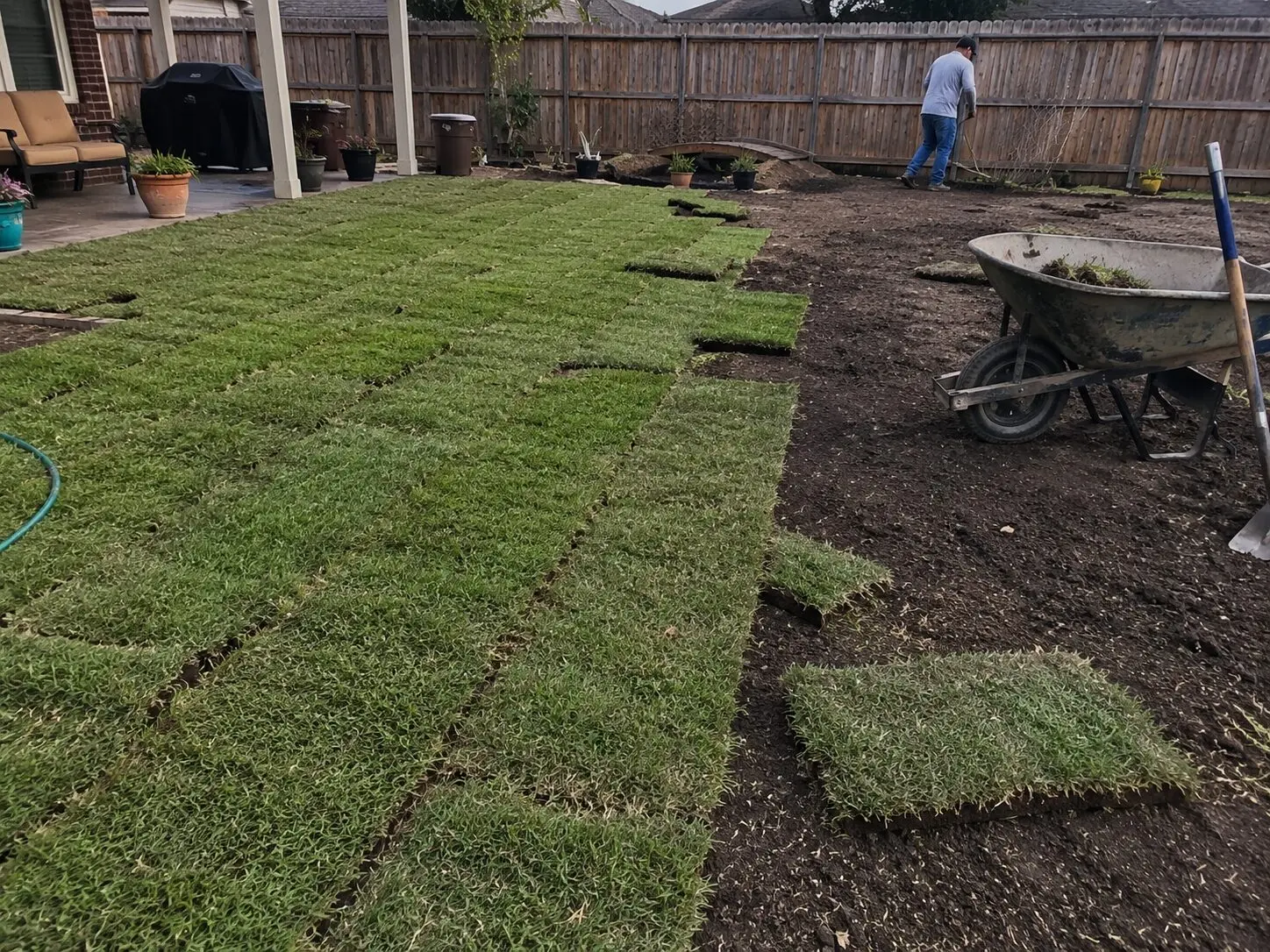
Creating a beautiful yard in North Texas requires more than planting a few flowers and keeping the grass trimmed. Homeowners in Mansfield deal with intense summer heat, changing weather conditions, periods of drought, and soil and drainage challenges that can affect plant health. A successful approach to landscaping Mansfield TX combines thoughtful design, climate-appropriate plants, healthy soil, efficient irrigation, and consistent maintenance. The goal is to create an outdoor space that looks attractive throughout the year while remaining practical to maintain. With the right planning, your landscape can complement your home and strengthen its curb appeal in every season.
Start With a Landscape Plan That Fits Your Property
The best landscape projects begin with an assessment of the property rather than choosing plants at random. Consider the amount of sunlight different areas receive, existing trees, drainage patterns, soil conditions, walkways, utility locations, and the architectural style of your home. A front yard that looks attractive in a photograph may not perform well on a property with different sun exposure or drainage characteristics. Mansfield's landscaping standards also encourage designs that respond to natural surroundings, minimize unnecessary grading, and use plants adapted to the local region.
Think about curb appeal as a composition rather than a collection of individual plants. A balanced design can include a defined lawn area, foundation plantings, ornamental trees, flowering shrubs, ground covers, and hardscape features. The entrance should receive particular attention because it creates the first visual impression of the property. Curved planting beds, a well-maintained walkway, strategically positioned trees, and tasteful landscape lighting can make an ordinary front yard feel much more intentional without requiring an oversized planting budget.
Choose Plants That Can Handle North Texas Conditions
Plant selection is one of the most important decisions in landscaping Mansfield TX because a beautiful plant is not necessarily a practical plant for the local environment. Native and adapted species can handle regional heat and often require less supplemental water once established. Mansfield's own water-efficient landscaping guidance recommends native or adapted plants because they can conserve water, withstand Texas heat, and reduce maintenance demands.
Trees can provide some of the strongest long-term value in a landscape. Live oaks, cedar elms, redbuds, Texas red oaks, and other regionally appropriate species can add structure and seasonal interest when properly positioned. Shrubs and ornamental plants can then fill the middle and lower layers of the design. Texas sage, yaupon holly, red yucca, salvias, and other suitable selections can introduce texture and color without creating a landscape that depends entirely on high water use. Always consider mature size before planting near foundations, fences, driveways, or overhead utilities.
Build Year-Round Interest With Layers and Seasonal Color
A common landscaping mistake is designing a yard that looks impressive for only one season. Instead, combine plants with different blooming periods, foliage characteristics, textures, and growth habits. Evergreen shrubs can provide structure during winter, ornamental grasses can add movement, flowering plants can bring seasonal color, and mature trees can create a strong visual framework throughout the year. This layered approach allows the landscape to evolve naturally rather than becoming visually empty once a particular group of flowers finishes blooming.
Hardscape features can also help maintain visual interest when plants are dormant. A paver walkway, stone border, retaining wall, seating area, or attractive entry feature provides permanent structure that does not depend on seasonal growth. The key is to coordinate materials with the home's exterior rather than adding too many unrelated textures. Professional landscapers in Mansfield can help homeowners balance plants, lawn, and hardscape so the finished property feels cohesive instead of crowded.
Pay Attention to Lawn Health, Soil, and Drainage
A healthy lawn starts below the surface. Compacted or poorly prepared soil can limit root development, interfere with water absorption, and create weak turf even when homeowners spend considerable time watering and fertilizing. Before installing new sod or reseeding a lawn, evaluate the soil and correct obvious problems. Mansfield's landscaping standards specifically call for appropriate soil preparation before installing sod, seed, or other lawn materials.
Drainage deserves equal attention because excessive water can damage both turf and ornamental plants. Look for areas where water remains after rainfall, soil erodes, or runoff moves toward the foundation. Depending on the property, solutions may include grading adjustments, drainage channels, strategically placed planting beds, or other professionally designed drainage improvements. Solving water-management problems early can protect the landscape and reduce the likelihood of repeatedly replacing plants or repairing eroded areas.
Make Irrigation Efficient Instead of Simply Increasing Water
More water does not automatically produce a healthier landscape. Overwatering can encourage shallow roots, contribute to runoff, and waste resources, while underwatering can stress turf and plants during hot weather. Mansfield's lawn guidance recommends adjusting watering based on rainfall and notes that irrigation should not be used during the city's restricted daytime hours. It also recommends early-morning watering and provides guidance for evaluating whether soil is absorbing water effectively.
An efficient irrigation system should match watering levels to the needs of different landscape zones. Turf areas may require different treatment from shrub beds, trees, and drought-tolerant plantings. Drip irrigation can be useful for certain planting beds, while properly adjusted sprinkler systems can efficiently cover lawn areas. Mulching is another simple improvement because it helps reduce evaporation and keeps soil cooler during hot conditions. A water-conscious landscape is generally easier to maintain when irrigation, plant selection, soil preparation, and mulch work together.
Know When to Hire Professional Landscapers in Mansfield
Some homeowners enjoy handling routine mowing, pruning, and planting themselves, while larger projects require more specialized planning. Landscapers in Mansfield can be particularly valuable when a project involves grading, drainage, irrigation, tree placement, sod installation, retaining walls, or a complete redesign. Local professionals also understand that a landscape must work with the property's specific conditions rather than simply follow a generic design found online.
When comparing landscaping companies, look beyond photographs of finished projects. Ask how the contractor evaluates drainage, soil, irrigation, plant maturity, maintenance requirements, and the overall relationship between the landscape and the home. A good professional should be able to explain why particular plants or materials are being recommended rather than simply presenting a list of products. Local providers include specialists serving Mansfield with lawn care, landscape design, tree work, drainage solutions, and outdoor construction services, giving homeowners several options depending on the scope of their project.
Maintain Your Landscape Through Every Season
Even the best landscape design needs regular attention to remain attractive. Seasonal maintenance can include pruning, mowing, irrigation adjustments, weed control, mulching, fertilization where appropriate, leaf removal, plant replacement, and inspection of drainage areas. Mansfield's landscaping standards emphasize keeping landscaped areas healthy, neat, orderly, and growing, with maintenance responsibilities including mowing, edging, pruning, irrigation, weeding, and related care.
A practical year-round schedule can make maintenance much easier. Spring is a good time to evaluate winter damage and prepare planting beds, while summer calls for careful irrigation and heat management. Fall provides an opportunity to refresh mulch, inspect trees,
 Portuguese (Brazil)
 English
 Arabic
 French
 Spanish
 Portuguese
 Deutsch
 Turkish
 Dutch
 Italiano
 Russian
 Romaian
 Greek