


Why Partnering With a Commercial Locksmith Protects Your Business Operations
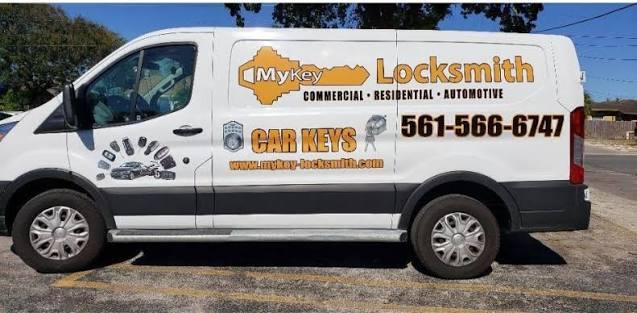
Running a successful business demands constant attention to inventory, customer experience, staffing, and daily workflows, yet physical access control frequently stays on the back burner until a front entrance jams or a former employee walks away with an unreturned key. Commercial properties face far higher foot traffic, stricter safety regulations, and more complex liability risks than private residences. Working with an experienced commercial locksmith gives business owners, facility managers, and property directors reliable security systems built for heavy daily wear and seamless operational control.
Heavy-Duty Hardware Built for High-Traffic Environments
Standard residential locks simply cannot survive the punishment of a busy storefront, office suite, medical clinic, or warehouse. When dozens—or hundreds—of employees, delivery drivers, and visitors push through an entryway every single day, light-duty springs and thin latches wear out within months.
Commercial-grade hardware is engineered specifically for continuous use and heightened physical resistance:
-
Grade 1 mortise locks and cylindrical levers: Built with solid steel internal chassis and heavy return springs, these locks prevent handle droop and withstand tens of thousands of daily cycles without failing.
-
Panic bars and exit devices: Required on most public and employee exit doors, push-bar hardware allows rapid, single-motion egress during fires or emergencies while keeping the exterior side locked against unauthorized entry.
-
Hydraulic door closers: Properly calibrated closers pull heavy metal or glass storefront doors shut softly and consistently, preventing wind drafts, slam damage, and doors accidentally left propped open overnight.
-
High-security restricted keyways: Unlike standard hardware store keys that anyone can copy at a self-service kiosk, restricted keys feature patented blanks that only authorized personnel can duplicate through your designated security provider.
Master Key Systems That Simplify Multi-Door Management
As a company grows across multiple offices, storage rooms, server closets, and loading bays, carrying a massive ring of twenty separate keys slows everyone down. At the same time, giving every staff member unrestricted access to sensitive financial records or high-value inventory creates unnecessary internal risk.
A commercial locksmith solves this balancing act by designing a tiered master key system. Under a structured hierarchy, individual employees receive change keys that open only their specific workspace or shared breakroom, department supervisors hold sub-master keys covering an entire wing or floor, and executive leadership retains a top-level master key capable of opening every lock in the building. Every cylinder is pinned with mathematical precision so access remains tightly compartmentalized without sacrificing convenience.
Integrating Electronic Access Control and Keyless Entry
Traditional brass keys remain dependable, yet modern workplaces increasingly combine mechanical strength with electronic flexibility. Keypad locks, proximity card readers, mobile credential systems, and magnetic locks give managers real-time control over who enters specific zones and during which hours.
When an employee leaves the company or a contractor finishes a seasonal project, administrators can revoke a keycard or deactivate a PIN code in seconds—eliminating the expense and disruption of rekeying exterior doors after every staffing change. Electronic audit trails also provide clear timestamps showing when sensitive rooms were accessed, supporting compliance requirements in healthcare, finance, and retail environments. A commercial specialist bridges the gap between IT wiring and physical door mechanics, ensuring electrified strikes and magnetic locks release cleanly during power interruptions or fire alarm activations.
Staying Compliant With Fire and Accessibility Codes
Commercial doors do more than keep intruders out; they play a critical role in life safety and public accessibility. Building inspectors and fire marshals enforce strict rules governing door hardware, from maximum opening force limits and lever-style handles that meet accessibility standards to fire-rated assemblies that contain smoke and flames during an emergency.
Installing the wrong latch on a fire-rated stairwell door or adding an unauthorized slide bolt to an emergency exit can result in steep fines, failed occupancy inspections, or invalidated commercial insurance policies. A knowledgeable commercial locksmith understands local building codes and life-safety standards, ensuring every panic bar, closer, and lockset satisfies inspection requirements while keeping the building secure after hours.
Proactive Maintenance Prevents Costly Operational Downtime
A jammed storefront lock at opening time costs a retail shop immediate revenue, while a malfunctioning warehouse roll-up lock can stall an entire morning delivery schedule. Routine preventive maintenance catches worn cylinders, misaligned strike plates, leaking door closers, and loose hinges before they bring operations to a standstill.
Scheduling periodic hardware walkthroughs—especially after seasonal weather shifts or office renovations—keeps every entryway operating smoothly. By treating physical security as an ongoing operational priority alongside a trusted commercial locksmith, businesses protect their staff, safeguard valuable assets, and keep daily operations running without interruption.
 Greek
 English
 Arabic
 French
 Spanish
 Portuguese
 Deutsch
 Turkish
 Dutch
 Italiano
 Russian
 Romaian
 Portuguese (Brazil)