


Is Chemical Peel Treatment Safe for All Skin Types?
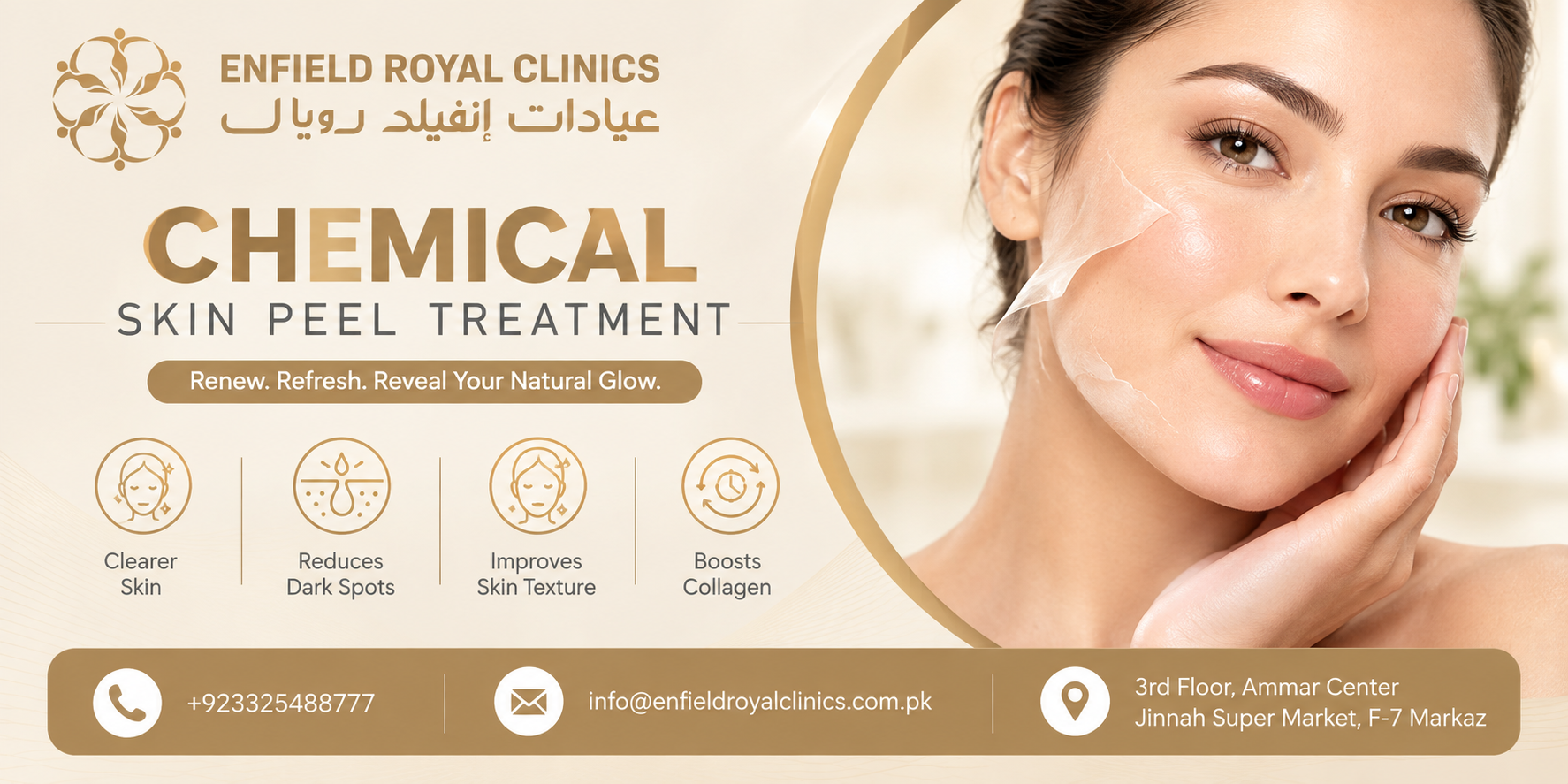
Healthy, glowing, and smooth skin is a common skincare goal. However, concerns such as acne, pigmentation, dark spots, uneven skin tone, and premature ageing can affect the skin's overall appearance. Chemical peel treatment has become a popular option for improving these concerns by removing damaged outer skin cells and encouraging natural skin renewal. Although the procedure offers several skincare benefits, many people wonder whether it is safe for every skin type.
People considering Chemical peel treatment in Islamabad often want to know whether the procedure is suitable for sensitive, oily, dry, combination, or darker skin. The answer depends on several factors, including the chemical ingredients, peel strength, skin condition, and individual sensitivity. When selected and performed appropriately, chemical peels can be suitable for many people. However, choosing the wrong formulation or treatment depth may increase the risk of irritation, burns, and pigmentation changes.
Understanding how chemical peels work, which skin types can benefit, and what precautions are necessary can help individuals make informed skincare decisions.
1. What Is Chemical Peel Treatment and How Does It Work?
Chemical peel treatment is a non-surgical cosmetic procedure designed to improve the appearance and texture of the skin. It involves applying a specially formulated chemical solution to the targeted area to remove dead or damaged skin cells.
The solution encourages controlled exfoliation, allowing newer skin cells to become visible as the outer layer sheds. Depending on the ingredients and concentration, a chemical peel may work on the skin's surface or penetrate deeper layers.
The procedure is commonly used to address:
-
Acne and superficial acne marks.
-
Uneven skin tone and pigmentation.
-
Dark spots caused by sun exposure.
-
Fine lines and early signs of ageing.
-
Rough skin texture.
-
Dullness and clogged pores.
-
Excess oil production.
Different chemical formulations are available for different concerns. Some are designed for gentle exfoliation, while others provide deeper skin resurfacing.
The treatment should always be selected according to the individual's skin condition rather than choosing a peel simply because it is popular.
2. Is Chemical Peel Treatment Safe for Every Skin Type?
Chemical peel treatment can be suitable for several skin types, but it is not equally appropriate for everyone. Skin sensitivity, natural pigmentation, existing skin conditions, and the strength of the chemical solution all influence treatment safety.
A professional skin assessment helps identify the most appropriate formulation and reduce the possibility of unwanted reactions.
Here is how different skin types may respond:
Oily Skin
People with oily skin often experience clogged pores, excess sebum, and frequent acne breakouts. Certain chemical peels, particularly salicylic acid peels, may help remove accumulated oil and dead skin cells. They can also improve the appearance of congested pores.
Dry Skin
Dry skin may benefit from carefully selected superficial peels that remove dead skin buildup. However, stronger formulations can increase dryness, irritation, and discomfort. Hydration and skin barrier protection are especially important.
Combination Skin
Combination skin usually has oily areas, particularly around the forehead, nose, and chin, alongside drier cheeks. A suitable peel can address uneven texture and congestion, but treatment selection should consider the different needs of each area.
Sensitive Skin
Sensitive skin requires extra caution because it may react more easily to chemical ingredients. Mild formulations may be considered in selected cases, but individuals with active irritation, inflammation, or a damaged skin barrier may need to postpone treatment.
Normal Skin
People with normal skin may tolerate superficial chemical peels well when the appropriate formulation is selected. The procedure can help improve dullness, mild pigmentation, and uneven texture.
3. Can People With Darker Skin Safely Get Chemical Peels?
Skin tone is an important consideration when selecting a chemical peel. People with darker skin tones can undergo certain chemical peel treatments, but they may require additional precautions.
Darker skin naturally contains more melanin, which provides pigmentation. In some individuals, skin irritation or inflammation can trigger post-inflammatory hyperpigmentation, resulting in dark patches after treatment.
This does not mean that chemical peels are unsuitable for darker skin. Instead, the formulation, concentration, and treatment depth must be carefully selected.
Some precautions include:
-
Choosing a peel appropriate for the individual's skin tone.
-
Avoiding unnecessarily aggressive chemical formulations.
-
Assessing any history of pigmentation after acne or skin irritation.
-
Following a suitable preparation routine when recommended.
-
Using broad-spectrum sunscreen consistently.
-
Avoiding excessive sun exposure during recovery.
Superficial peels are often considered when treating pigmentation concerns in darker skin, but individual suitability still needs professional evaluation.
Anyone with a history of melasma or post-inflammatory pigmentation should discuss these concerns before undergoing the procedure.
4. Which Types of Chemical Peels Are Suitable for Different Skin Types?
Not all chemical peels contain the same ingredients or provide identical results. Each formulation works differently, making it important to select one according to the skin's needs.
Some commonly used options include:
Glycolic Acid Peel
Glycolic acid belongs to the alpha-hydroxy acid (AHA) family. It helps remove dead skin cells and may improve dullness, mild pigmentation, and uneven texture. Its concentration and application time determine how strongly it affects the skin.
Salicylic Acid Peel
Salicylic acid is a beta-hydroxy acid (BHA) that can penetrate oily pores. It is commonly used for acne-prone skin, clogged pores, and excess oil production.
Lactic Acid Peel
Lactic acid is another AHA that offers exfoliating benefits. It is often considered for individuals experiencing mild dryness, dullness, and uneven skin texture.
Mandelic Acid Peel
Mandelic acid has a larger molecular structure than glycolic acid, which generally allows slower penetration. It may be considered for selected individuals with sensitive or acne-prone skin, depending on their skin condition.
TCA Peel
Trichloroacetic acid is used in different concentrations for medium-depth peeling. It may address certain pigmentation concerns, sun damage, and textural irregularities. However, it requires careful assessment because stronger peels carry greater risks.
The best option is not necessarily the strongest one. A carefully selected superficial peel may be more appropriate than an aggressive treatment for someone with sensitive or pigmentation-prone skin.
5. Who Should Avoid Chemical Peel Treatment?
Although chemical peels can improve several skin concerns, certain individuals may not be suitable candidates. Treating already irritated or damaged skin can increase the likelihood of complications.
Chemical peel treatment may need to be postponed or avoided in people who have:
-
Active skin infections, including bacterial, viral, or fungal infections.
-
Open wounds or cuts in the treatment area.
-
Severe skin irritation or inflammation.
-
Active cold sores around the treatment area.
-
Recently sunburned or excessively tanned skin.
-
Certain skin conditions that affect healing.
-
A history of abnormal scarring or poor wound healing.
People using prescription acne treatments, retinoids, or other medications that increase skin sensitivity should discuss them during the consultation. Pregnancy, breastfeeding, and certain medical conditions may also affect which treatments are appropriate.
A qualified professional should review the individual's medical history, skincare routine, and previous reactions before recommending a chemical peel.
6. What Precautions Make Chemical Peel Treatment Safer?
Taking appropriate precautions before and after treatment can help reduce complications and support better skin recovery.
For people considering Chemical peel treatment in Islamabad, understanding the preparation and aftercare process is just as important as selecting the peel itself.
Before the Treatment
-
Avoid excessive sun exposure.
-
Discuss all current skincare products and medications.
-
Stop irritating exfoliating ingredients when advised.
-
Inform the professional about previous chemical peel reactions.
-
Follow any recommended skin preparation routine.
-
Avoid waxing or aggressive exfoliation around the treatment area.
After the Treatment
-
Apply broad-spectrum sunscreen with SPF 30 or higher.
-
Use a gentle cleanser and suitable moisturiser.
-
Avoid picking, rubbing, or pulling peeling skin.
-
Avoid strong exfoliants and retinoids until advised.
-
Limit direct sun exposure.
-
Follow the recommended recovery instructions.
Mild redness, dryness, sensitivity, and flaking can occur after a chemical peel. However, severe pain, blistering, increasing swelling, or signs of infection should be assessed promptly.
Following these precautions helps protect the skin barrier and lowers the risk of unwanted pigmentation or irritation.
7. What Results Can Different Skin Types Expect?
The results of chemical peel treatment vary according to skin type, treatment depth, and the concern being addressed.
People with oily skin may notice improvements in clogged pores and acne-related concerns. Those with dry or normal skin may experience a smoother surface and a fresher appearance. Individuals dealing with pigmentation may notice gradual improvements in uneven skin tone after appropriate treatment.
However, chemical peels do not provide identical results for everyone. Some concerns require multiple sessions, while deeper acne scars and more complex pigmentation may need alternative or combined treatments.
A realistic treatment plan should focus on gradual improvement rather than expecting completely flawless skin after one session.
For more information visit Enfield royal clinic in islamabad
Frequently Asked Questions (FAQs)
1. Is chemical peel treatment safe for sensitive skin?
Chemical peel treatment may be suitable for selected people with sensitive skin when a gentle formulation is used. However, individuals with active irritation, inflammation, or a damaged skin barrier should generally postpone treatment until their skin has recovered.
2. Can chemical peel treatment cause skin darkening?
Yes, chemical peels can sometimes cause post-inflammatory hyperpigmentation, particularly when the skin becomes irritated or receives excessive sun exposure during recovery. Proper peel selection and sun protection help reduce this risk.
3. Which chemical peel is best for oily and acne-prone skin?
Salicylic acid peels are commonly considered for oily and acne-prone skin because they help exfoliate inside pores and reduce accumulated oil and dead skin cells. The appropriate concentration depends on individual skin sensitivity.
4. How many sessions of chemical peel treatment are needed?
Some people notice improvements after one session, while others may require multiple treatments. The number of sessions depends on the skin concern, peel strength, and individual response.
5. Can people with darker skin tones get chemical peel treatment?
Yes, people with darker skin tones can undergo selected chemical peels. However, careful formulation and treatment-depth selection are important because irritation can trigger pigmentation changes.
6. How long does skin take to recover after a chemical peel?
Recovery depends on the depth of the peel. Superficial peels may cause mild dryness or flaking for a few days, while medium-depth peels can require a longer healing period. Deep peels involve more extensive recovery and medical supervision.
Conclusion
Chemical peel treatment can be a useful option for improving acne-related concerns, pigmentation, dullness, fine lines, and uneven skin texture. However, it is not automatically safe for every skin type or every skin condition. Sensitive skin, darker skin tones, active inflammation, and certain medical conditions require additional consideration before treatment.
Individuals considering Chemical peel treatment in Islamabad should prioritise professional skin assessment, appropriate peel selection, and proper aftercare. With realistic expectations and a personalised treatment approach, many people can achieve smoother, healthier-looking skin while minimising unnecessary risks.
 Spanish
 English
 Arabic
 French
 Portuguese
 Deutsch
 Turkish
 Dutch
 Italiano
 Russian
 Romaian
 Portuguese (Brazil)
 Greek