


Why Regular Fire Safety Inspections Matter for Commercial Properties
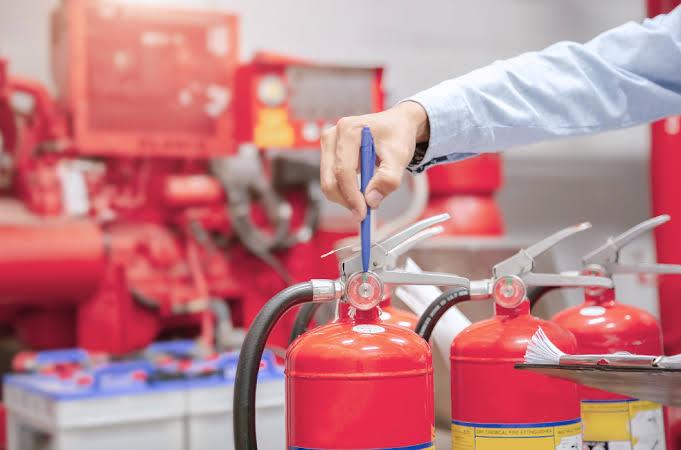
Fire safety is an essential responsibility for commercial property owners, business managers, facility operators, and employees. Commercial buildings may contain electrical equipment, machinery, combustible materials, heating systems, cooking appliances, and other potential fire hazards that require proper monitoring and maintenance. Regular Commercial fire safety inspection in Allen, TX activities help businesses identify potential fire safety concerns, evaluate equipment conditions, and maintain a more organized approach to workplace safety.
Fire safety inspections involve reviewing fire protection equipment, emergency exits, alarm systems, fire extinguishers, suppression equipment, and other building safety features. These inspections can help identify deficiencies that may require corrective action before they become more serious concerns. Understanding the purpose of fire safety inspections and how they support commercial property maintenance can help businesses better manage their fire safety responsibilities.
Understanding the Purpose of Commercial Fire Safety Inspections
Fire safety inspections help evaluate the condition of fire protection equipment, building safety features, and fire prevention practices within commercial facilities. Businesses may need inspections to identify potential hazards, review equipment conditions, verify accessibility, and understand whether fire protection systems require maintenance or corrective action.
Commercial buildings have different fire safety needs depending on their occupancy, building layout, equipment, operational activities, and applicable regulations. Inspection activities should consider these factors to provide a meaningful evaluation of the property's fire safety conditions.
Identifying Potential Fire Hazards
Identifying fire hazards is an important part of maintaining a commercial property. Electrical equipment, heating systems, combustible materials, cooking appliances, machinery, and improper storage practices may contribute to fire risks.
During fire safety evaluations, potential hazards may be identified through reviewing building conditions, equipment placement, storage arrangements, and workplace practices. Businesses should address identified concerns appropriately and maintain safe operating conditions.
Evaluating Fire Protection Equipment
Fire protection equipment should remain accessible and in appropriate operating condition. Inspections may involve examining fire extinguishers, sprinkler components, alarm devices, suppression equipment, emergency lighting, and other safety features.
Visible damage, missing components, obstruction, corrosion, leaks, or other deficiencies may require further evaluation. Regular inspections help commercial property owners understand equipment conditions and organize necessary maintenance activities.
Inspecting Commercial Fire Alarm Systems
Fire alarm systems are important components of commercial fire safety. These systems are designed to detect fire-related conditions and alert occupants through audible, visual, or other notification methods.
Commercial fire alarm systems may include smoke detectors, heat detectors, manual pull stations, control panels, notification devices, and other connected components. Inspection and testing requirements depend on the system design and applicable standards.
Checking Smoke and Heat Detectors
Smoke and heat detectors help identify conditions associated with potential fires. Detectors should be appropriately installed, maintained, and tested according to applicable requirements and manufacturer recommendations.
Inspections may identify obstructions, physical damage, contamination, improper placement, or other conditions that could affect detector performance. Building owners should ensure that detectors are not covered, obstructed, or affected by unauthorized modifications.
Evaluating Alarm Notification Devices
Alarm notification equipment helps alert building occupants when fire-related conditions are detected. Notification devices may include audible alarms, visual indicators, and other components designed to communicate emergency information.
Inspection activities may involve checking device accessibility, visible conditions, and appropriate functionality through required testing procedures. Maintaining notification equipment supports emergency preparedness and helps ensure that occupants can receive warnings when necessary.
Inspecting Commercial Fire Sprinkler Systems
Fire sprinkler systems are commonly installed in commercial buildings to help control or suppress fires. These systems may include sprinkler heads, piping, valves, water supply connections, pressure indicators, and other components.
Regular inspection helps identify conditions that may affect sprinkler system performance. Commercial property owners should understand the inspection and maintenance requirements associated with their installed systems.
Examining Sprinkler Heads and Piping
Sprinkler heads should remain unobstructed, properly maintained, and free from visible damage. Paint, dust accumulation, physical damage, improper coverings, or objects interfering with sprinkler heads may affect their intended function.
Visible sprinkler piping should also be reviewed for signs of corrosion, damage, leaks, or other concerns. Inspection findings may indicate the need for further evaluation or maintenance by qualified personnel.
Checking Valves and Water Supply Components
Sprinkler system valves and water supply components are important parts of the overall system. Depending on the system and applicable requirements, inspection activities may involve reviewing valve conditions, accessibility, identification, and other relevant components.
Valves should not be obstructed by storage materials, furniture, or other objects. Changes to building operations or storage arrangements should not interfere with fire protection equipment.
Maintaining Commercial Fire Extinguishers
Portable fire extinguishers are commonly used in commercial facilities as part of fire protection planning. Their availability, condition, accessibility, and suitability for the potential fire hazards present are important considerations.
Different extinguishers are designed for different types of fires. Commercial property owners should ensure that equipment is appropriate for the fire hazards present and that employees understand the limitations of portable extinguishers.
Checking Fire Extinguisher Accessibility
Fire extinguishers should remain in their designated locations and be accessible when needed. Storage materials, furniture, equipment, or temporary building arrangements should not block access to extinguishers.
Inspection activities may involve checking extinguisher locations, visible conditions, pressure indicators, identification labels, and maintenance documentation according to applicable requirements.
Reviewing Extinguisher Maintenance Records
Fire extinguishers may require inspection, maintenance, recharging, testing, or replacement depending on their condition and applicable requirements.
Maintenance records help businesses track servicing activities and identify equipment that requires attention. Extinguishers that have been discharged, damaged, or otherwise compromised should receive appropriate servicing before being returned to their intended use.
Inspecting Commercial Kitchen Fire Safety Equipment
Commercial kitchens may contain significant fire hazards involving cooking appliances, hot oils, grease accumulation, ventilation systems, and high-temperature equipment. Fire safety inspections help evaluate kitchen equipment, suppression systems, and associated safety features.
Restaurants, cafeterias, hotels, food service facilities, and catering operations may have different fire protection requirements depending on their cooking equipment and operational activities.
Reviewing Kitchen Hood Suppression Systems
Kitchen hood suppression systems are designed to protect certain commercial cooking appliances and designated areas. Their components may include suppression agent containers, detection devices, piping, discharge nozzles, and activation mechanisms.
Inspection activities may involve reviewing equipment conditions, accessibility, visible components, documentation, and maintenance requirements. Changes to cooking equipment or hood arrangements may affect the system's intended coverage and should be appropriately evaluated.
Evaluating Kitchen Ventilation and Grease Conditions
Kitchen ventilation systems may accumulate grease and other combustible materials during normal cooking operations. Maintaining appropriate cleaning schedules helps reduce grease buildup and supports fire safety.
Inspection activities may identify grease accumulation, damaged components, ventilation concerns, or other maintenance issues. Commercial kitchen operators should maintain cooking equipment, ventilation components, and surrounding areas according to appropriate cleaning and maintenance requirements.
Inspecting Emergency Exits and Evacuation Routes
Emergency exits and evacuation routes are important components of commercial building safety. During fire emergencies, occupants need accessible routes that allow them to leave the building safely.
Commercial property owners should regularly review exit locations, pathways, doors, signage, and other evacuation-related features. Fire safety inspections may identify obstructions, damaged components, or conditions that could interfere with evacuation.
Keeping Emergency Exit Routes Clear
Emergency exit routes should remain clear of unnecessary obstructions. Boxes, equipment, furniture, stored materials, and other objects may interfere with evacuation if they are placed in designated pathways.
Businesses should regularly review hallways, stairways, exit doors, and other evacuation routes to ensure that they remain accessible. Routine checks can help identify temporary obstructions that develop during daily operations.
Maintaining Exit Signs and Emergency Lighting
Exit signs and emergency lighting help occupants identify evacuation routes during emergencies. These components may require inspection, testing, and maintenance according to applicable requirements.
Inspection activities may involve checking visible conditions, accessibility, functionality, and maintenance documentation. Maintaining appropriate lighting and signage can support better visibility and emergency preparedness.
Inspecting Electrical Equipment and Fire Prevention Measures
Electrical equipment is an important consideration during commercial fire safety inspections. Electrical installations, appliances, machinery, extension cords, and other components may contribute to fire hazards when improperly maintained or used.
Commercial property owners should maintain electrical equipment according to appropriate requirements and arrange professional evaluation when electrical concerns are identified.
Identifying Electrical Hazards
Potential electrical hazards may include damaged wiring, overloaded circuits, deteriorating electrical components, improperly used extension cords, and equipment overheating.
Inspection activities may identify visible concerns that require evaluation by qualified electrical professionals. Businesses should avoid using damaged electrical equipment and should address electrical problems promptly.
Maintaining Electrical Equipment and Work Areas
Electrical equipment should be maintained according to manufacturer requirements and applicable safety standards. Work areas around electrical installations should remain organized and free from unnecessary combustible materials.
Proper equipment maintenance, appropriate electrical practices, and organized workspaces can help reduce potential fire hazards.
Inspecting Commercial Storage Areas and Warehouses
Commercial storage areas and warehouses may contain combustible materials, inventory, machinery, packaging, and other potential fire hazards. Storage arrangements can affect fire safety and the accessibility of protection equipment.
Inspection activities should consider storage layouts, fire protection equipment access, material characteristics, and applicable requirements.
Reviewing Storage Arrangements
Storage arrangements should be evaluated to ensure they do not interfere with fire protection systems, emergency exits, or designated access routes.
Storage heights, shelving configurations, combustible materials, and changes in warehouse operations may affect fire safety requirements. Commercial property managers should periodically review these arrangements and identify concerns that require corrective action.
Maintaining Fire Protection Equipment Access
Fire extinguishers, sprinkler system components, alarm devices, emergency exits, and other fire safety equipment should remain accessible where required.
Storage materials should not obstruct designated equipment locations or interfere with fire protection system coverage. Regular facility inspections help identify access problems before they become more serious concerns.
Preparing Commercial Buildings for Fire Safety Inspections
Preparation helps commercial property owners organize fire safety documentation, review equipment conditions, and identify maintenance needs before inspection activities take place.
Businesses may benefit from maintaining a checklist of fire protection equipment, emergency routes, inspection records, maintenance activities, and identified deficiencies.
Reviewing Fire Safety Documentation
Fire safety documentation may include inspection reports, equipment maintenance records, testing documentation, system installation details, permits, and corrective action records.
Organized documentation can help facility managers understand equipment maintenance history and track outstanding concerns. Records may also help businesses prepare for inspection activities and compliance reviews.
Addressing Previously Identified Deficiencies
Previously identified fire safety deficiencies should be reviewed to determine whether corrective actions have been completed. Outstanding concerns may involve damaged equipment, blocked access, maintenance issues, or other conditions requiring attention.
Maintaining a record of identified deficiencies and corrective actions can help businesses track progress and support more organized fire safety management.
Understanding Fire Safety Inspection Schedules
Commercial fire safety inspection schedules may vary depending on the type of equipment, building occupancy, local regulations, manufacturer recommendations, and applicable fire safety standards.
Some components may require frequent checks, while other systems may have specific testing or maintenance intervals. Businesses should understand the requirements associated with their installed fire protection equipment.
Following Applicable Inspection Requirements
Fire protection inspection requirements may differ between fire alarms, sprinkler systems, extinguishers, kitchen suppression systems, and other equipment.
Commercial property owners should consult applicable regulations, manufacturer recommendations, and qualified professionals to determine the appropriate inspection and testing schedules.
Developing a Consistent Maintenance Routine
A consistent maintenance routine can help commercial property managers organize inspections, equipment servicing, repairs, and documentation.
Maintenance planning should consider building operations, equipment conditions, previous inspection findings, and future inspection requirements. Regular attention can help businesses manage fire safety responsibilities more effectively.
Conclusion
Commercial fire safety inspections help businesses identify potential hazards, review fire protection equipment, maintain emergency exits, and address deficiencies that may affect building safety. Fire alarms, sprinkler systems, extinguishers, kitchen suppression equipment, electrical installations, and evacuation routes all contribute to the overall fire safety condition of commercial properties. Regular inspection and maintenance help support better preparedness and more organized facility management.
Commercial fire safety inspection in Allen, TX is an important consideration for commercial property owners and facility managers seeking to maintain fire protection equipment, identify potential hazards, and understand inspection requirements. By reviewing equipment conditions, maintaining documentation, addressing deficiencies, and following appropriate inspection schedules, businesses can take a more organized approach to commercial fire safety.
Frequently Asked Questions
1. What is a commercial fire safety inspection?
A commercial fire safety inspection involves evaluating fire protection equipment, building safety features, emergency routes, and potential fire hazards to identify conditions that may require corrective action.
2. What equipment is checked during a fire safety inspection?
Depending on the facility and inspection requirements, equipment may include fire alarms, sprinkler systems, fire extinguishers, kitchen suppression systems, emergency lighting, exit signs, and other fire protection components.
3. How often should commercial fire safety inspections be conducted?
Inspection frequency depends on the equipment, applicable regulations, manufacturer requirements, building occupancy, and relevant fire safety standards.
4. Why are emergency exit inspections important?
Emergency exit inspections help ensure that evacuation routes, exit doors, signage, and other safety features remain accessible and appropriate for emergency use.
5. What happens when fire safety inspection deficiencies are identified?
Identified deficiencies should be evaluated and addressed through appropriate corrective actions, maintenance, repairs, testing, or other measures depending on the nature of the issue.
6. Do commercial kitchens require fire safety inspections?
Commercial kitchens may require inspections of cooking equipment, ventilation systems, kitchen suppression equipment, and other fire safety components according to applicable requirements.
7. Why should commercial fire safety inspection records be maintained?
Inspection records help businesses track equipment conditions, inspection findings, maintenance activities, repairs, testing, and outstanding deficiencies.
8. How can businesses prepare for commercial fire safety inspections?
Businesses can prepare by reviewing fire protection equipment, maintaining clear emergency routes, organizing inspection records, addressing known deficiencies, and ensuring equipment remains accessible.
 Deutsch
 English
 Arabic
 French
 Spanish
 Portuguese
 Turkish
 Dutch
 Italiano
 Russian
 Romaian
 Portuguese (Brazil)
 Greek