


Can a Solid Hydrogen Storage Solution Cut Costs?
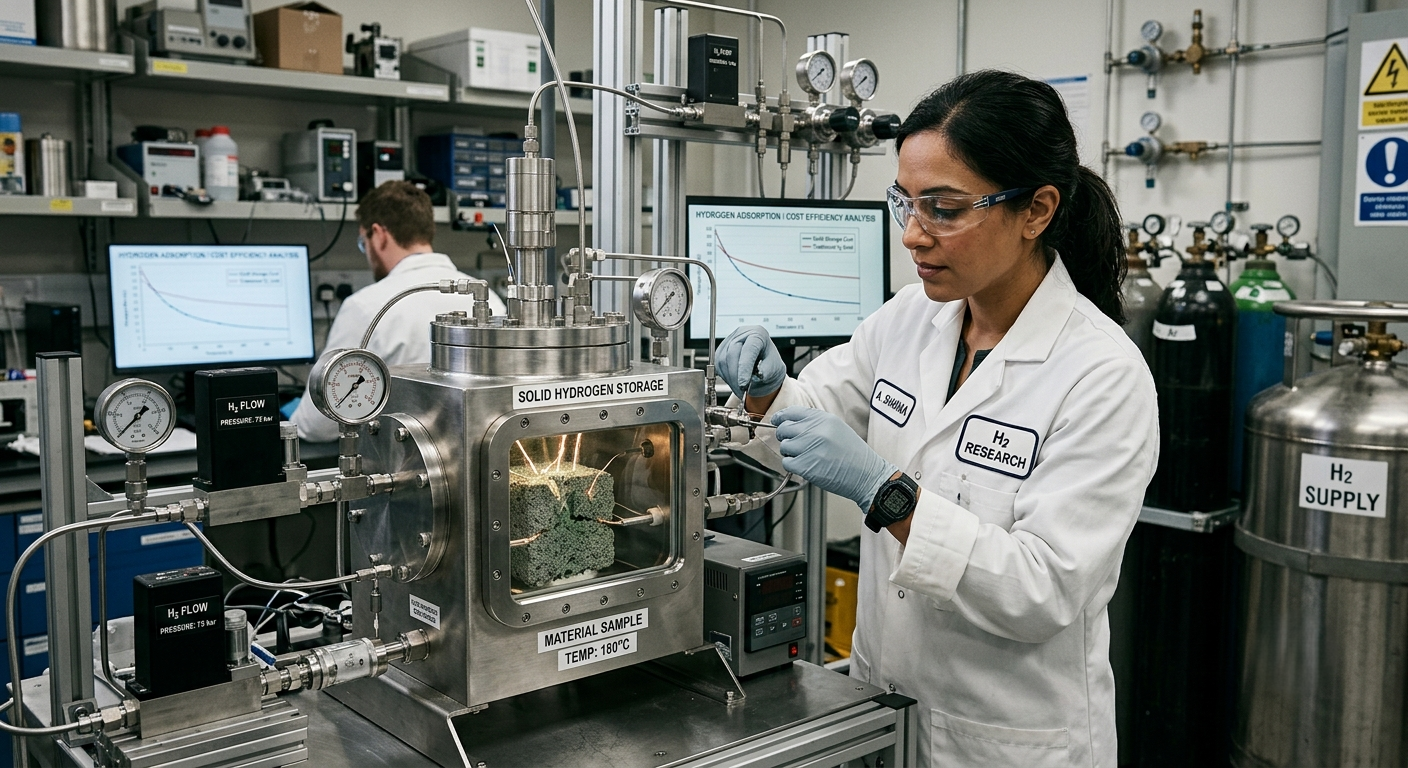
Hydrogen is becoming one of the most important clean energy sources for the future.
A solid hydrogen storage solution is changing the way hydrogen is stored by making the process safer, more efficient, and more cost-effective for many industries.
Many businesses are now searching for better ways to lower operating costs while meeting environmental goals. Traditional hydrogen storage methods often require expensive equipment, high pressure, or very low temperatures. These systems can increase installation, maintenance, and transportation costs over time.
A solid hydrogen storage solution offers a different approach. Instead of storing hydrogen as compressed gas or liquid, it stores hydrogen inside solid materials that safely hold and release the gas when needed. This method can reduce many of the challenges connected with traditional storage systems.
For companies investing in hydrogen technology, choosing the right storage method is an important financial decision. A reliable storage system not only protects the hydrogen but also helps improve efficiency, reduce waste, and lower long-term operating expenses.
Bonded H2 continues to support innovation by focusing on advanced hydrogen storage technologies that improve safety, performance, and long-term value for businesses looking toward a cleaner energy future.
What Is a Solid Hydrogen Storage Solution?
A solid hydrogen storage solution is a system that stores hydrogen inside special solid materials instead of keeping it under very high pressure or extremely cold temperatures.
These materials absorb hydrogen and safely keep it inside their structure. When hydrogen is needed, the material releases it in a controlled way.
Several materials are used for this purpose, including:
Metal Hydrides
Metal hydrides can absorb large amounts of hydrogen and release it when heated. They are known for their safety and long service life.
Chemical Hydrides
Chemical hydrides store hydrogen through chemical reactions. They can provide high storage capacity for specific industrial applications.
Advanced Porous Materials
Scientists continue developing advanced materials such as metal-organic frameworks (MOFs) and porous carbon materials that may improve storage capacity while reducing system weight.
These technologies are helping make hydrogen storage more practical for commercial use.
Why Traditional Hydrogen Storage Can Be Expensive
Many organizations still use compressed gas cylinders or liquid hydrogen tanks. Although these systems work well, they come with several costs that increase over time.
High Equipment Costs
Compressed hydrogen systems require strong pressure vessels that are expensive to manufacture and inspect regularly.
Liquid hydrogen systems require specialized insulated tanks that maintain extremely low temperatures.
Energy Consumption
Compressing hydrogen to high pressure or cooling it into liquid form requires a large amount of electricity.
Higher energy use leads to higher operating costs.
Maintenance Requirements
Pressure vessels, valves, pumps, and cooling equipment require routine inspections and repairs.
Maintenance expenses can become significant throughout the lifetime of the storage system.
Transportation Challenges
Moving compressed or liquid hydrogen requires specialized vehicles and strict safety procedures.
These transportation costs can increase the overall price of hydrogen delivery.
How Can a Solid Hydrogen Storage Solution Reduce Costs?
Many experts believe that solid storage has the potential to lower expenses in several important areas.
Lower Energy Requirements
Solid storage usually does not require hydrogen to remain under extremely high pressure or extremely low temperatures.
As a result, less energy is needed during storage, which helps reduce electricity costs.
Reduced Maintenance
Solid storage systems generally contain fewer complex mechanical components.
Fewer moving parts often mean fewer repairs and lower maintenance expenses over many years.
Improved Safety
Safety has a direct impact on business costs.
Because hydrogen remains inside solid materials, the risk of sudden gas release becomes much lower compared to traditional storage methods.
Improved safety may reduce insurance costs, equipment damage, and workplace risks.
Longer Equipment Life
Storage systems that operate under moderate conditions often experience less stress.
This can increase equipment lifespan and delay expensive replacements.
Industries That Benefit from Lower Storage Costs
Many industries are beginning to adopt hydrogen technologies.
A solid hydrogen storage solution may provide financial advantages across multiple sectors.
Renewable Energy
Solar and wind power do not always generate electricity continuously.
Hydrogen allows excess renewable energy to be stored for later use, improving energy management and reducing wasted electricity.
Transportation
Hydrogen-powered buses, trucks, trains, and industrial vehicles require reliable storage systems.
Lower storage costs can improve the overall economics of hydrogen transportation.
Manufacturing
Factories using hydrogen in industrial processes benefit from safer and more efficient storage that helps reduce operating expenses.
Power Generation
Hydrogen backup systems can provide electricity during emergencies.
Affordable storage solutions make these systems more attractive for utilities and commercial facilities.
Does Better Safety Also Save Money?
Safety improvements often create financial benefits that are not immediately obvious.
A safer storage system can help businesses by reducing:
- Equipment failures
- Emergency shutdowns
- Repair costs
- Workplace accidents
- Product loss
- Regulatory risks
Over time, these savings may become substantial, especially for organizations handling large volumes of hydrogen.
Environmental Benefits That Support Financial Savings
Sustainability and cost savings often work together.
When businesses reduce energy consumption and improve storage efficiency, they also lower their environmental impact.
Many governments now encourage clean energy projects through incentives, grants, or tax benefits.
Companies using advanced hydrogen storage technologies may qualify for programs that support clean energy investments, further improving their financial returns.
Factors That Affect the Total Cost of Hydrogen Storage
Although a solid hydrogen storage solution can reduce many expenses, the total cost depends on several factors. Every business has different storage needs, and understanding these factors helps organizations make better investment decisions.
Storage Capacity
The amount of hydrogen a company needs to store plays a major role in the overall cost. Larger systems require more storage material and equipment. However, larger installations can also benefit from economies of scale, making the cost per unit of stored hydrogen lower over time.
Type of Storage Material
Different solid storage materials have different prices, storage capacities, and operating conditions. Some materials offer higher performance but come with a higher initial investment. Others provide a more affordable option for specific applications.
Selecting the right material depends on the industry, storage goals, and expected hydrogen demand.
System Design
A well-designed storage system improves efficiency and reduces operating costs. Good system design also makes maintenance easier and helps businesses get the most value from their investment.
Modern engineering continues to improve the performance of solid hydrogen storage systems while reducing unnecessary complexity.
Operating Conditions
Temperature, usage frequency, and storage duration all affect system performance. Choosing equipment that matches the operating environment helps lower maintenance costs and extends the life of the storage system.
Comparing Traditional Storage and Solid Storage
Businesses often compare storage methods before making an investment. While every project has unique requirements, a solid hydrogen storage solution offers several advantages over traditional approaches.
Compressed Hydrogen Storage
Compressed hydrogen requires very high-pressure tanks.
Advantages:
- Well-established technology
- Widely available equipment
- Fast hydrogen delivery
Limitations:
- High compression costs
- Regular maintenance
- Strict safety requirements
- Expensive pressure vessels
Liquid Hydrogen Storage
Liquid hydrogen stores more hydrogen in a smaller space but requires extremely low temperatures.
Advantages:
- High storage density
- Suitable for large-scale transportation
Limitations:
- High cooling costs
- Complex insulation systems
- Hydrogen loss through evaporation
- Higher maintenance needs
Solid Hydrogen Storage
Solid hydrogen storage keeps hydrogen inside specially designed materials.
Advantages:
- Improved safety
- Lower operating pressure
- Reduced energy consumption
- Lower maintenance requirements
- Better long-term efficiency
For many businesses, these benefits can lead to noticeable cost savings throughout the lifetime of the storage system.
Challenges Businesses Should Consider
Like any developing technology, solid hydrogen storage also has some challenges. Understanding these challenges helps organizations plan successful projects.
Higher Initial Investment
Some advanced storage materials may cost more during installation than conventional storage systems.
However, many companies find that lower operating and maintenance expenses help recover this investment over time.
Ongoing Technology Development
Researchers continue improving storage materials to increase hydrogen capacity, reduce weight, and improve charging and discharging performance.
As technology advances, future systems are expected to become even more affordable and efficient.
Industry Adoption
Hydrogen infrastructure is still growing in many regions. As more businesses invest in hydrogen technology, production volumes are expected to increase, helping reduce equipment costs in the future.
The Future of Solid Hydrogen Storage
Hydrogen is expected to play an important role in the global transition toward cleaner energy. Governments, manufacturers, and energy companies continue investing in research to improve hydrogen storage technologies.
Future developments may include:
Higher Storage Capacity
New materials are being developed to store more hydrogen while using less space.
Faster Hydrogen Release
Researchers are working on systems that release hydrogen more quickly, making them suitable for a wider range of industrial and transportation applications.
Lower Manufacturing Costs
As production increases, manufacturing processes are expected to become more efficient, making advanced storage systems more affordable.
Greater Commercial Adoption
More industries are beginning to recognize the financial and environmental advantages of hydrogen. Increased adoption will likely drive further innovation and cost reductions across the market.
Why Businesses Choose Bonded H2
Businesses looking to adopt hydrogen technology need solutions that are safe, reliable, and designed for long-term value.
Bonded H2 focuses on advanced hydrogen storage technologies that support cleaner energy while helping organizations improve operational efficiency. By prioritizing innovation, safety, and performance, Bonded H2 works toward storage solutions that meet the evolving needs of modern industries.
Whether supporting renewable energy projects, transportation, manufacturing, or industrial applications, Bonded H2 is committed to helping businesses move toward a more sustainable future with dependable hydrogen storage solutions.
Frequently Asked Questions
Is a solid hydrogen storage solution safer than compressed hydrogen?
Yes. Because hydrogen is stored within solid materials instead of under extremely high pressure, the overall storage process can offer improved safety and reduce the risk of accidental gas release.
Can solid hydrogen storage reduce maintenance costs?
In many cases, yes. Solid storage systems often have fewer complex mechanical components, which can reduce maintenance needs and lower long-term operating expenses.
Which industries benefit the most from solid hydrogen storage?
Renewable energy, transportation, manufacturing, power generation, and research organizations can all benefit from safer and more efficient hydrogen storage technologies.
Is solid hydrogen storage environmentally friendly?
Yes. It supports cleaner energy systems by improving hydrogen storage efficiency and helping reduce dependence on fossil fuels.
Is solid hydrogen storage the future?
Many industry experts believe it will become an important part of the hydrogen economy as technology continues to improve and commercial adoption increases.
Conclusion
A solid hydrogen storage solution offers businesses an opportunity to improve safety, reduce energy use, lower maintenance requirements, and decrease long-term operating costs. Although the initial investment may be higher in some cases, the long-term financial and operational benefits make this technology an attractive option for organizations planning for the future.
As hydrogen continues to become a key part of the global clean energy transition, companies are expected to seek storage solutions that combine efficiency, reliability, and sustainability. Bonded H2 continues to support this progress by focusing on innovative hydrogen storage technologies that help businesses achieve their energy goals while building a more sustainable future. Through continued research and practical solutions, Bonded H2 positions itself as a trusted partner for organizations looking to invest in advanced hydrogen storage with long-term value.
Here, you can find more articles.
 English
 Arabic
 French
 Spanish
 Portuguese
 Deutsch
 Turkish
 Dutch
Dutch
 Italiano
 Russian
 Romaian
 Portuguese (Brazil)
 Greek
Greek