


Step-by-Step Guide to Understanding Interior Inspections
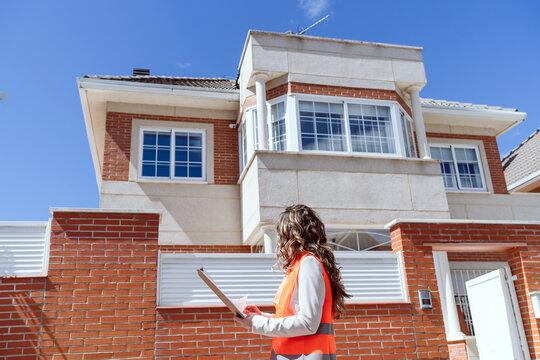
A home is one of the biggest investments most people will ever make, so understanding its condition is essential. An interior inspection provides valuable information about the visible parts of a property's structure and systems before buying, selling, or maintaining a home. It helps identify existing concerns that may require repairs while giving property owners a better understanding of how different areas are performing. Whether the property is new or several decades old, a detailed inspection supports informed decisions and reduces the chances of unexpected surprises later.
What an Interior Inspection Includes
An interior inspection covers many visible areas inside a home. Inspectors examine walls, ceilings, floors, doors, windows, stairways, and built-in features for signs of damage or wear. They also evaluate the condition of electrical outlets, light switches, plumbing fixtures, and accessible heating and cooling components. Cabinets, countertops, and interior finishes may also be reviewed for noticeable issues. Although inspectors cannot see inside every hidden space, they carefully assess all accessible areas to provide a clear overview of the home's current condition.
Checking Structural Features Inside the Home
The interior structure plays a major role in the overall stability of a house. Inspectors look for visible cracks in walls, uneven flooring, sagging ceilings, and doors or windows that no longer open or close properly. These signs may indicate normal settling or point toward larger structural concerns that deserve further evaluation. Identifying these issues early allows homeowners to understand possible repair needs before they become more costly. A careful structural review helps provide greater confidence in the property's overall condition.
Evaluating Electrical and Plumbing Systems
Electrical and plumbing systems are essential for safe and comfortable living. During an inspection, visible wiring, electrical panels, outlets, switches, and light fixtures are checked for noticeable safety concerns. Plumbing fixtures, exposed pipes, faucets, sinks, toilets, and water flow are also inspected for leaks or signs of wear. Inspectors may identify corrosion, moisture damage, or outdated components that could require future attention. While the inspection is visual rather than invasive, it provides useful information about the condition of these important household systems.
Assessing Heating, Cooling, and Ventilation
Comfort inside a home depends heavily on heating, cooling, and ventilation systems. Inspectors examine accessible HVAC components to determine whether they appear to be functioning properly at the time of the inspection. Airflow from vents, thermostat operation, and visible ductwork may also be evaluated. Proper ventilation in kitchens, bathrooms, and laundry areas helps reduce excess moisture and supports healthier indoor air quality. A review of these systems helps homeowners understand their overall condition and whether additional maintenance may be beneficial.
Looking for Moisture and Water Damage
Moisture is one of the most common causes of long-term property damage. During an inspection, attention is given to areas where water problems are more likely to occur, including bathrooms, kitchens, laundry rooms, basements, and around windows. Inspectors look for stains, peeling paint, warped materials, mold growth, or other visible signs of moisture intrusion. Detecting water-related issues early can help prevent more serious structural damage while protecting indoor air quality and reducing future repair costs.
Understanding the Inspection Report
After completing the inspection, the inspector prepares a detailed report that summarizes observations made throughout the property. The report typically includes written explanations along with photographs that document visible conditions. It may identify items requiring maintenance, recommend additional evaluation by specialists, or simply note areas that should be monitored over time. Homeowners searching for a Home interior inspection Gulf Breeze FL often rely on these reports to better understand the property's condition before making important financial decisions.
Making Better Property Decisions
An interior inspection provides valuable knowledge that benefits buyers, sellers, and current homeowners alike. It supports informed negotiations, helps prioritize maintenance, and encourages long-term property care. Working with experienced Local home inspectors Gulf Breeze FL gives property owners greater confidence by providing an objective evaluation of the home's visible interior features. By understanding the condition of important systems and structural components, homeowners can plan future improvements, reduce unexpected expenses, and protect the value of their investment for many years to come.
 Turkish
 English
 Arabic
 French
 Spanish
 Portuguese
 Deutsch
 Dutch
Dutch
 Italiano
 Russian
 Romaian
 Portuguese (Brazil)
 Greek
Greek