


Why Pre-Shipment Compliance Checks Are Essential for International Exporters
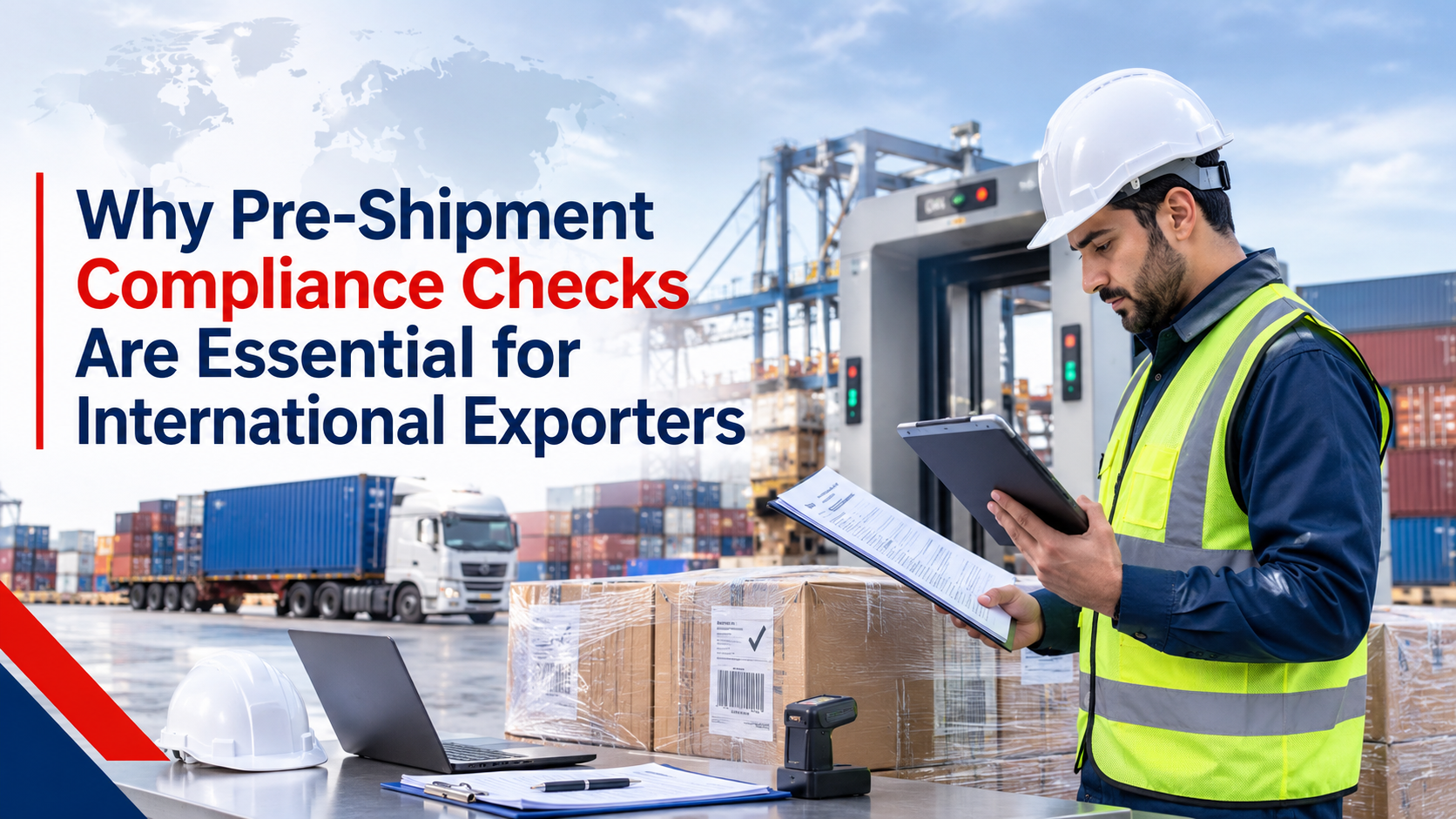
International exporting involves more than manufacturing products and arranging transportation. Businesses must comply with destination-country regulations, product safety standards, customs requirements, and shipping documentation before goods leave their facilities. This is where pre-shipment compliance checks become essential for successful international trade.
A small documentation error, incorrect product classification, or missing certification can result in customs delays, additional costs, rejected shipments, or damaged business relationships. For companies exporting to regulated markets such as Saudi Arabia, understanding requirements such as SABER certification is particularly important. Obtaining the correct saber certificate saudi arabia requirements before shipment helps businesses prepare products for the applicable Saudi conformity assessment process.
By establishing a systematic compliance process before dispatch, exporters can reduce operational risks, improve shipping efficiency, and build stronger relationships with international buyers.
Table of Contents
-
What Are Pre-Shipment Compliance Checks?
-
Why Are Pre-Shipment Compliance Checks Important?
-
Essential Areas to Review Before Shipping
-
The Role of SABER Certification in Saudi Arabia
-
Common Pre-Shipment Compliance Mistakes
-
How Exporters Can Build an Effective Compliance Checklist
-
Conclusion
-
Frequently Asked Questions
1. What Are Pre-Shipment Compliance Checks?
Pre-shipment compliance checks are a series of verification activities performed before goods are dispatched to an international destination. Their purpose is to confirm that products, packaging, shipping documents, and regulatory approvals meet the requirements of the importing country.
These checks may involve:
-
Reviewing product specifications and technical documentation.
-
Confirming customs classification and HS codes.
-
Verifying product safety and quality standards.
-
Checking packaging, labeling, and country-of-origin information.
-
Confirming required permits and certificates.
-
Reviewing commercial invoices and packing lists.
-
Arranging inspections or laboratory testing when applicable.
The scope of these activities depends on the product category, destination market, and applicable trade regulations.
2. Why Are Pre-Shipment Compliance Checks Important?
Preventing Customs Delays and Shipment Rejections
Customs authorities examine imported goods to ensure that they meet applicable legal and regulatory requirements. Incorrect documentation, missing approvals, or inconsistent shipment details can lead to additional inspections and clearance delays.
Checking all essential requirements before dispatch allows exporters to identify potential problems while goods are still at the manufacturing or storage facility.
Reducing Unexpected Shipping Costs
Non-compliant shipments can create additional expenses, including storage charges, demurrage, inspection fees, re-export costs, and administrative penalties where applicable.
Early verification helps businesses avoid unnecessary financial exposure and maintain more predictable international shipping budgets.
Maintaining Product Quality and Safety
Pre-shipment inspections help confirm that products meet agreed specifications and applicable safety standards. Businesses can verify quantities, product conditions, packaging quality, labeling, and technical characteristics before goods are released.
This is particularly important for regulated products such as electrical equipment, machinery, construction materials, and consumer goods.
Building Trust With International Buyers
Reliable exporters understand that customers expect products to arrive on time and meet agreed requirements.
Consistent compliance procedures demonstrate professionalism, reduce disputes, and strengthen long-term relationships with international distributors, importers, and business partners.
3. Essential Areas to Review Before Shipping
A successful pre-shipment verification process should cover several important areas.
Product Classification and HS Code Verification
The Harmonized System (HS) code determines how products are classified for customs purposes. It can influence applicable duties, import restrictions, licensing requirements, and product certification obligations.
Exporters should verify product descriptions, technical specifications, materials, and intended uses to support accurate classification.
Product Standards and Regulatory Approvals
Every destination market may have different technical and safety requirements. Exporters should identify applicable regulations before production is completed.
Depending on the product, requirements may include:
-
Product conformity certificates.
-
Laboratory test reports.
-
Safety certifications.
-
Technical approvals.
-
Import permits and licenses.
-
Special labeling requirements.
Shipping Documentation Verification
Accurate documentation is essential for smooth customs processing. Exporters should compare all shipment records to ensure that product descriptions, quantities, values, and other relevant details are consistent.
|
Document |
Purpose |
|
Commercial Invoice |
Specifies product descriptions, values, and transaction details |
|
Packing List |
Provides package quantities, weights, and dimensions |
|
Bill of Lading |
Confirms maritime cargo transportation details |
|
Airway Bill |
Records air freight transportation information |
|
Certificate of Origin |
Identifies the country where goods originate |
|
Product Certificates |
Demonstrate applicable product conformity |
|
Export Permits |
Authorize shipments where required |
The required documents may vary depending on the destination, product, and shipping method.
Packaging and Labeling Compliance
Packaging is not only important for protecting products during transportation. It may also be subject to destination-specific regulations.
Exporters should review:
-
Product identification and descriptions.
-
Country-of-origin markings.
-
Safety warnings and handling instructions.
-
Required language information.
-
Batch numbers and serial numbers.
-
Packaging and environmental requirements.
Correct labeling reduces the risk of regulatory issues and helps importers receive goods that are ready for distribution.
4. The Role of SABER Certification in Saudi Arabia
Saudi Arabia has established product safety and conformity requirements to ensure that imported products meet applicable technical regulations. The SABER platform supports the Saudi Product Safety Programme (SALEEM) and the electronic registration and issuance of relevant conformity certificates.
For international exporters supplying regulated products to Saudi Arabia, understanding the saber certificate saudi arabia process is an important part of pre-shipment preparation.
Understanding PCoC and SCoC
The conformity assessment process for regulated products generally involves two certification stages:
1. Product Certificate of Conformity (PCoC)
The PCoC confirms that a regulated product has undergone the applicable conformity assessment against relevant technical regulations. It is generally valid for one year.
2. Shipment Certificate of Conformity (SCoC)
The SCoC relates to a specific shipment. The applicable product conformity information is verified before the shipment certificate is issued.
The Saudi importer generally manages the SABER application, while the exporter must coordinate product specifications, technical documents, test reports, and shipment information as required.
Why Exporters Should Prepare SABER Requirements Early
Early preparation allows exporters and Saudi importers to:
-
Identify applicable technical regulations.
-
Verify product classification using the relevant HS code.
-
Arrange required testing and conformity assessment.
-
Prepare product specifications and supporting documents.
-
Coordinate product and shipment certification.
-
Reduce the possibility of shipment-related clearance problems.
Not every product follows the same certification route. Requirements should be checked according to the product category and applicable Saudi regulations.
5. Common Pre-Shipment Compliance Mistakes
Even experienced exporters can encounter avoidable compliance problems.
Some common mistakes include:
-
Incorrect HS code classification: Using an unsuitable customs code can affect regulatory requirements and duty calculations.
-
Incomplete documentation: Missing invoices, permits, certificates, or technical records can delay shipment processing.
-
Ignoring destination-country regulations: Requirements that apply in the exporter's domestic market may differ from those in the importing country.
-
Incorrect product labeling: Missing safety information or inaccurate product descriptions can create regulatory difficulties.
-
Late certification applications: Starting conformity procedures shortly before dispatch can disrupt shipping schedules.
-
Inconsistent shipment information: Differences between invoices, packing lists, certificates, and transport documents can trigger additional verification.
Addressing these issues before dispatch is more efficient than correcting them after cargo reaches an international border.
6. How Exporters Can Build an Effective Compliance Checklist
Businesses can improve export operations by introducing a standardized pre-shipment compliance checklist.
The following steps provide a practical starting point:
|
Verification Stage |
Required Action |
|
Product Review |
Confirm specifications, quantity, and quality |
|
HS Code Review |
Verify customs classification |
|
Regulatory Review |
Identify destination-country requirements |
|
Certification |
Obtain applicable approvals and certificates |
|
Documentation |
Check invoices, packing lists, and transport records |
|
Packaging |
Verify labeling and packaging standards |
|
Final Inspection |
Review cargo condition and shipment details |
|
Dispatch Approval |
Confirm all applicable requirements are completed |
Exporters should assign clear responsibilities to their compliance, logistics, and documentation teams. Working with experienced customs professionals can also help identify market-specific requirements before cargo dispatch.
For businesses exporting to Saudi Arabia, working with an experienced customs clearance partner can make regulatory coordination and shipment preparation more manageable. Radhi Awad Customs Clearance Co. supports businesses with customs clearance, SABER certification assistance, and transportation services in Saudi Arabia.
Conclusion
Pre-shipment compliance checks are an essential part of successful international exporting. They help businesses identify regulatory issues, verify product standards, prepare accurate documentation, and reduce the risks associated with international cargo movement.
From HS code classification and product labeling to conformity certification and customs documentation, every verification step contributes to a smoother shipping process.
For exporters targeting Saudi Arabia, preparing applicable SABER documentation and coordinating with the local importer before dispatch can make a significant difference. By adopting a proactive compliance strategy, businesses can protect their shipments, control operational costs, and establish more reliable international trade operations.
Frequently Asked Questions (FAQs)
1. What is the purpose of pre-shipment compliance checks?
Their purpose is to verify that products, documents, packaging, and regulatory approvals meet the applicable requirements of the destination country before goods are dispatched.
2. Which documents should exporters check before shipment?
Common documents include commercial invoices, packing lists, bills of lading, certificates of origin, export permits, and applicable product conformity certificates.
3. Why is HS code verification important in international trade?
HS codes help determine customs classification, applicable duties, import restrictions, and regulatory requirements for internationally traded products.
4. Is SABER certification required for every product exported to Saudi Arabia?
Requirements depend on the product category and applicable Saudi regulations. Regulated products require the relevant conformity assessment, while other products may follow a different shipment certification route. Exporters should verify current requirements before dispatch.
5. When should exporters start pre-shipment compliance checks?
Ideally, checks should begin during order planning or before production is completed. Early preparation provides sufficient time to arrange inspections, testing, permits, and required certifications without disrupting shipping schedules.
 Spanish
 English
 Arabic
 French
 Portuguese
 Deutsch
 Turkish
 Dutch
 Italiano
 Russian
 Romaian
 Portuguese (Brazil)
 Greek